
NEWS & EVENTS

- Home
- News
- Products Information
- What is Vinyl? Properties and Applications of Vinyl Material
What is Vinyl? Properties and Applications of Vinyl Material
March 10,2026
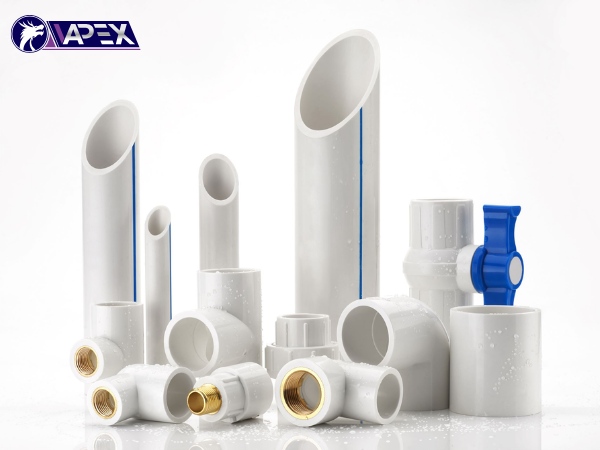
What is vinyl and why is this material widely used in construction, electrical–electronic industries, and healthcare? Thanks to its distinctive polymer structure, vinyl meets requirements for mechanical durability, chemical stability, and processability under various conditions. Let APEX Vietnam explore this material in more detail in the following article!
In practical manufacturing, virgin PVC resin is often blended with additives to create PVC Compound. This mixture helps adjust and optimize physical and chemical properties so that the material can meet specific application requirements.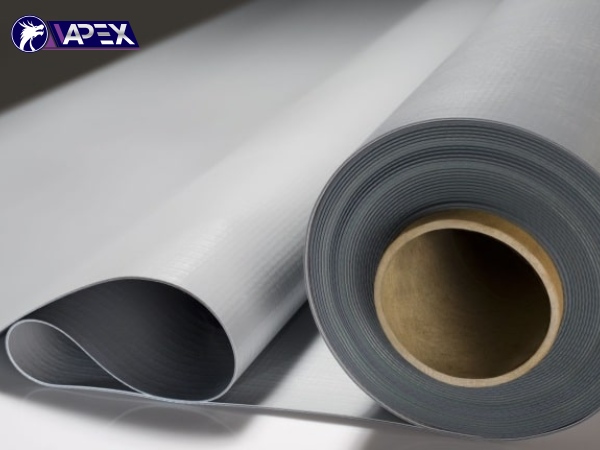
Vinyl is the common name for Polyvinyl Chloride (PVC)
What is vinyl?
Vinyl is the common name for Polyvinyl Chloride (PVC) – a thermoplastic polymer formed through the polymerization of vinyl chloride monomers. It offers high mechanical strength, good moisture resistance, and easy formability, making it widely used across many industries.In practical manufacturing, virgin PVC resin is often blended with additives to create PVC Compound. This mixture helps adjust and optimize physical and chemical properties so that the material can meet specific application requirements.
Vinyl is the common name for Polyvinyl Chloride (PVC)
Based on the plasticizer content, PVC Compound is divided into two main groups:
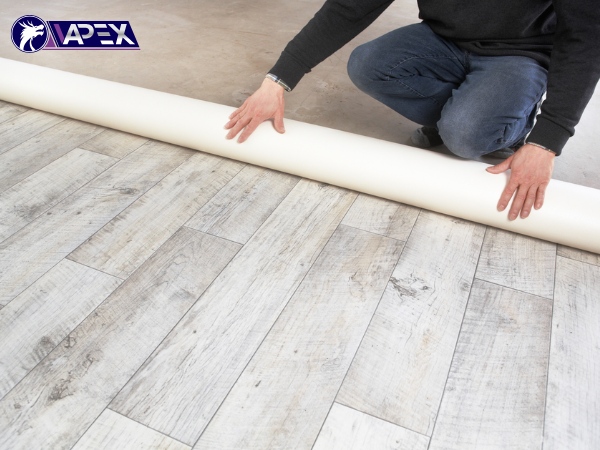
The non-porous molecular structure helps the material limit mold and moisture formation
Flexible PVC Compound grades with high electrical resistivity are ideal materials for insulating sheaths of residential and industrial electrical cables, capable of withstanding operating temperatures of up to 105°C.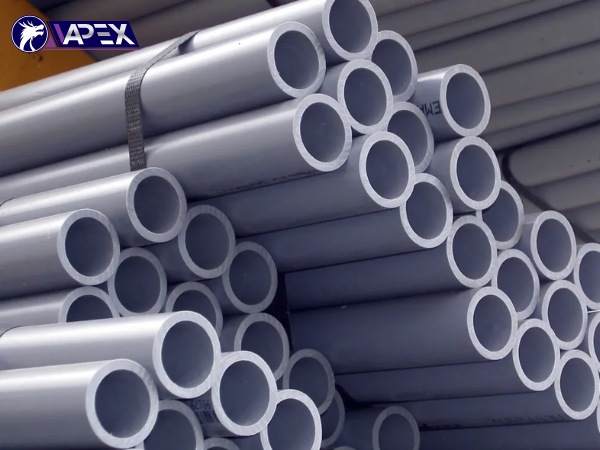
The construction industry accounts for more than 70% of global PVC
In particular, the growing use of water-soluble PVOH is gradually replacing traditional plastic bags in biological chemical packaging applications.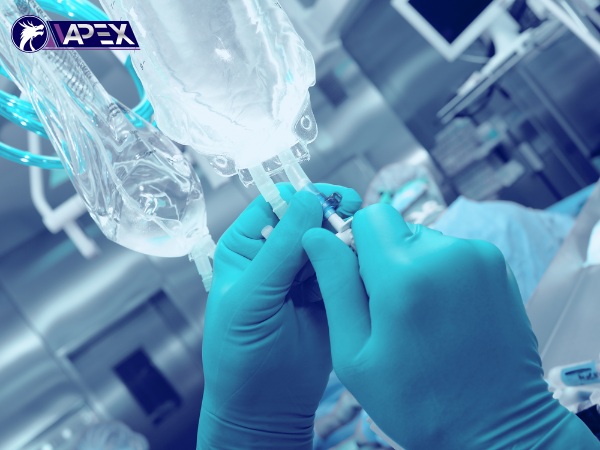
Vinyl is used in the manufacturing of medical equipment
In the electronics sector, functional polymers such as PVDF are used as separator membranes in lithium-ion batteries and as ultra-thin insulating layers for flexible printed circuit boards (Flex PCB) thanks to their ability to withstand high voltage.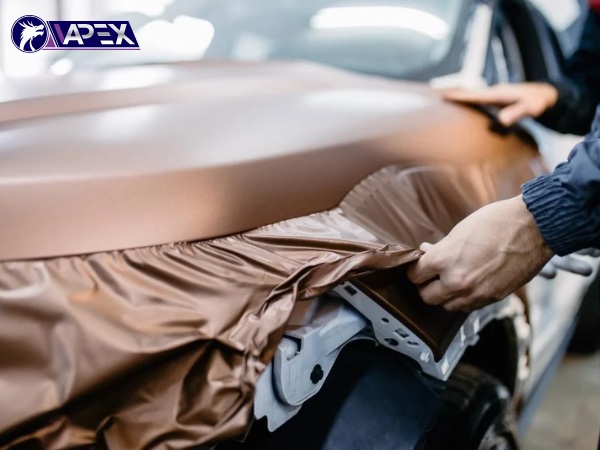
Application of vinyl in automotive manufacturing
Research on bio-based vinyl derived from ethanol and CO₂ is also being prioritized to replace fossil-based raw materials, supporting more sustainable material development.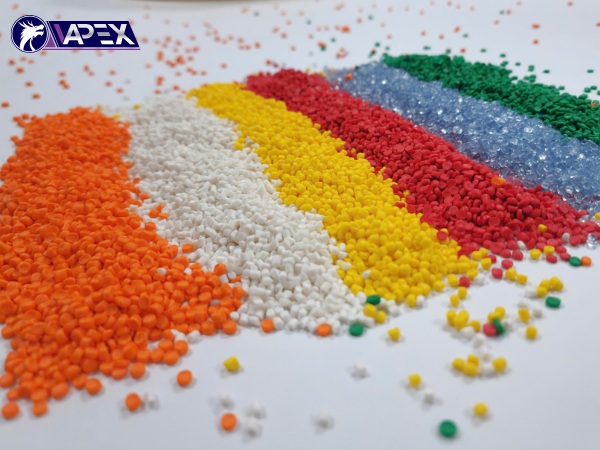
APEX provides high-quality PVC Compound solutions
- Rigid PVC Compound: Characterized by high hardness and strong load-bearing capacity, it is commonly used to manufacture water pipes, window frames, and technical plastic panels.
- Flexible PVC Compound: With the addition of plasticizers, the material gains good elasticity, making it suitable for producing electrical cables, door gaskets, flexible hoses, and medical devices.
Key properties of vinyl
Thanks to its chlorine-containing polymer structure and the flexibility to blend with various additives, vinyl exhibits many stable mechanical and chemical properties.- Mechanical strength: Stable resistance to compressive and tensile forces, helping reduce cracking or breakage under normal usage conditions.
- Water resistance: Its non-porous molecular structure prevents water absorption, helping limit mold and moisture issues in high-humidity environments.
- Weather resistance: When UV stabilizers are added, the material can maintain its color and mechanical properties under sunlight exposure.
- Low density: Compared with many metal or wood materials, vinyl is lighter, making transportation, processing, and installation more convenient.
- Chemical resistance: Vinyl can withstand many types of acids, alkalis, and solvents at certain concentrations.
- Flame resistance: Due to its chlorine content, PVC is less likely to ignite and tends to self-extinguish once the heat source is removed.
- Electrical insulation: The material has high electrical resistivity and is commonly used as an insulating sheath for electrical wires and cables.
- Microbial control capability (with surface treatment): Some vinyl products are enhanced with additives or coatings that help inhibit microbial growth.
The non-porous molecular structure helps the material limit mold and moisture formation
Industrial applications of vinyl
What is vinyl and how is it applied? Thanks to its stable mechanical properties, chemical resistance, and flexibility in adjusting hardness, vinyl is widely used across many industrial sectors.Construction and electrical insulation
The construction industry accounts for more than 70% of global PVC consumption. Rigid PVC Compound is used to manufacture water piping systems, window frames, and partition panels due to its strength, UV resistance, and effective flame-retardant properties.Flexible PVC Compound grades with high electrical resistivity are ideal materials for insulating sheaths of residential and industrial electrical cables, capable of withstanding operating temperatures of up to 105°C.
The construction industry accounts for more than 70% of global PVC
Healthcare and food packaging
In healthcare, purified PVC (DEHP-free) is used to manufacture blood bags, breathing tubes, and infusion devices due to its high biocompatibility. In the packaging sector, the combination of PVDC films and vinyl coatings provides excellent moisture resistance and oxidation protection, helping preserve pharmaceuticals effectively.In particular, the growing use of water-soluble PVOH is gradually replacing traditional plastic bags in biological chemical packaging applications.
Vinyl is used in the manufacturing of medical equipment
Automotive and advanced electronics industries
Vinyl plays an important role in reducing weight and enhancing durability in automobiles. Flexible PVC Compound is used to produce artificial leather for interiors, while Vinyl Foam provides effective sound and thermal insulation.In the electronics sector, functional polymers such as PVDF are used as separator membranes in lithium-ion batteries and as ultra-thin insulating layers for flexible printed circuit boards (Flex PCB) thanks to their ability to withstand high voltage.
Application of vinyl in automotive manufacturing
High technology and environmental solutions
Advanced vinyl copolymers today can exhibit self-healing capabilities or respond to changes in pH and light, opening up new applications in the soft robotics industry. From an environmental perspective, the “Net Zero Plastic” roadmap is promoting both mechanical and chemical recycling of PVC.Research on bio-based vinyl derived from ethanol and CO₂ is also being prioritized to replace fossil-based raw materials, supporting more sustainable material development.
PVC Compound solutions for high-quality vinyl products
In the production of vinyl products, controlling mechanical strength, thermal stability, UV resistance, and processability plays a decisive role in the final product quality. If virgin PVC is not properly compounded, it may lead to brittleness, discoloration, or a gradual decline in mechanical performance over time.APEX provides high-quality PVC Compound solutions
PVC Compound is developed to optimize technical properties through the addition of:
From the analysis above, the question what is vinyl goes beyond simply defining PVC as a material; it also relates to its properties, application scope, and PVC compounding technology. If your business needs more detailed consultation on PVC Compound for specific industries, feel free to contact APEX Vietnam for professional support.
- Heat stabilizers
- UV-resistant additives
- Plasticizers (for flexible PVC)
- Mechanical reinforcement agents
- Flame-retardant and chemical-resistant additives
From the analysis above, the question what is vinyl goes beyond simply defining PVC as a material; it also relates to its properties, application scope, and PVC compounding technology. If your business needs more detailed consultation on PVC Compound for specific industries, feel free to contact APEX Vietnam for professional support.