
BLOG

- Home
- Blog
- Plastic Polymer Composite Article
- What Are Insulating Plastics? Properties and Applications
What Are Insulating Plastics? Properties and Applications
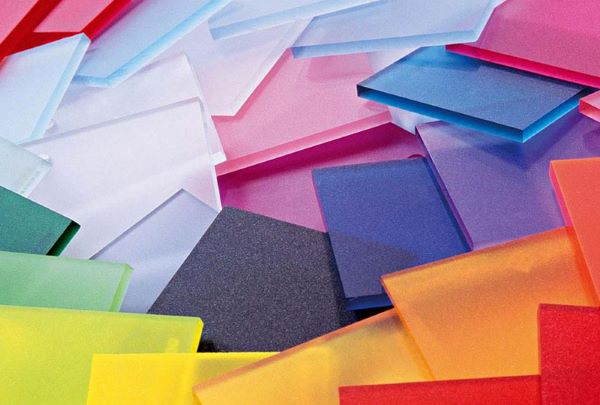
Insulating plastics serve as the backbone of the modern electrical and electronics industry, ensuring safety and performance in circuit designs and power transmission systems. With continuous technological advancements, today’s insulating plastics not only prevent the flow of electricity but also meet stringent standards for heat resistance, chemical resistance, and mechanical durability. This article provides an in-depth overview, from definitions and technical specifications to practical applications of leading engineering plastics such as phenolic resin, Bakelite, FR4, and PTFE.
Common insulating plastics today include polyvinyl chloride (PVC), polycarbonate (PC), polyethylene (PE), polystyrene (PS), polyamide (nylon), and PTFE (Teflon). Each material offers its own advantages in terms of durability, heat resistance, or chemical resistance, but all share the common goal of creating a stable, safe, and efficient electrical environment.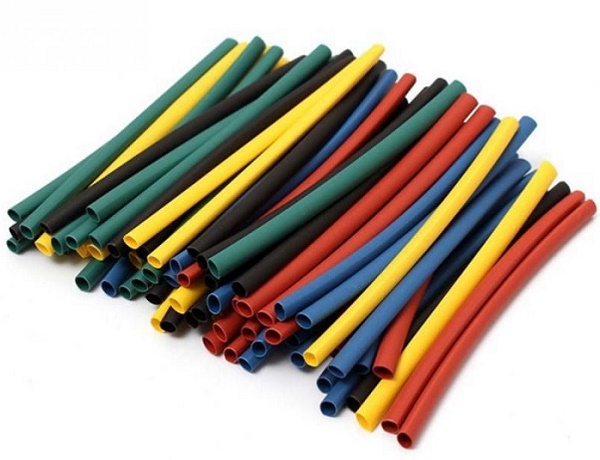
Insulating plastics are designed to prevent the flow of electric current
In addition, insulating plastics possess extremely high resistivity, typically ranging from 10¹² to 10¹⁷ ohm·cm, effectively isolating high-voltage circuits and protecting sensitive electronic components. Thermal stability also plays an important role, especially in harsh working environments. For example, polyimide can maintain stable performance at temperatures exceeding 200°C.
Beyond these factors, insulating plastics require good chemical resistance due to frequent exposure to oils, moisture, or solvents. Polyethylene (PE) and PTFE are favored for their superior chemical inertness. Finally, mechanical strength is essential to prevent cracking, minimize deformation, and maintain long-term performance in both outdoor equipment and portable devices.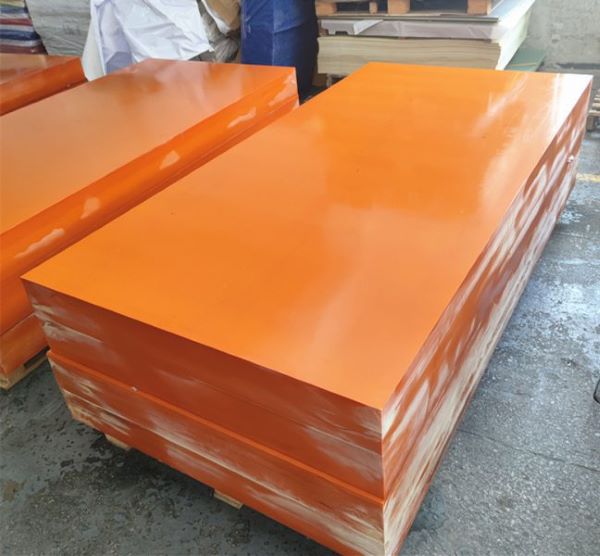
Characteristics of insulating plastics
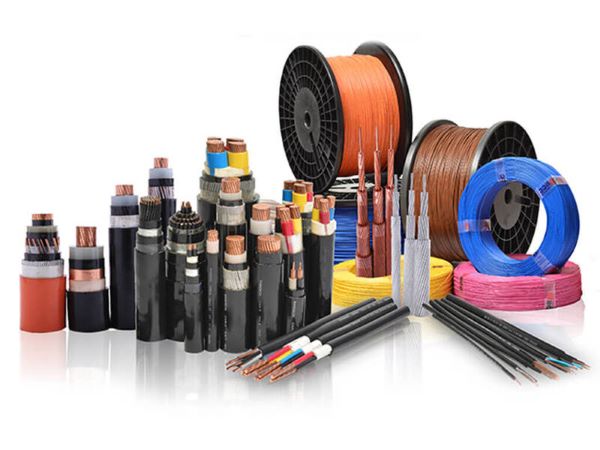
Sectors using insulating plastics
From a manufacturing perspective, insulating plastics are easy to process in large-scale production at reasonable costs, making them ideal for mass-produced products. Furthermore, these materials achieve a good balance between mechanical strength and heat resistance. Many modern plastics comply with international safety standards such as UL 94 for flame retardancy and IEC for electrical insulation, giving manufacturers confidence in usage while meeting technical and regulatory requirements.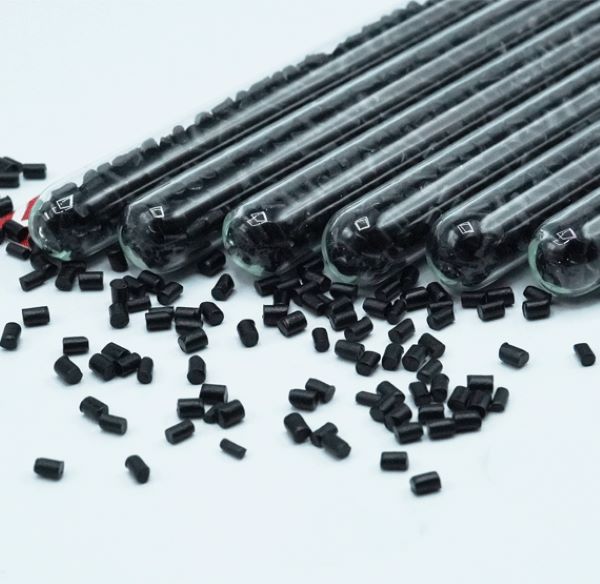
Some factors affecting the selection of insulating plastics
APEX Vietnam specializes in supplying specialized plastic pellets for the wire and cable industry, including:
Insulating plastics are an indispensable part of modern industry. Understanding the properties of each type from Bakelite phenolic, FR4, to epoxy insulating plastics enables engineers and managers to make accurate purchasing decisions, ensuring safety and cost optimization. When selecting materials, technical standards should always take priority over price alone. A wrong choice can result in significant losses in both assets and brand reputation.
If you are looking for high-quality plastic pellets or PVC compounds for insulating applications, APEX Vietnam is ready to partner with you. With Taiwanese technology and deep knowledge of the Vietnamese market, we are committed to delivering sustainable value for your business.
What are insulating plastics?
Insulating plastics are a group of polymer materials specifically designed to prevent the flow of electric current. With their high resistivity and inherent non-conductive properties, these plastics help isolate electrical and electronic components, minimizing the risk of short circuits, fires, and explosions, while ensuring the safety of users and sensitive equipment.Common insulating plastics today include polyvinyl chloride (PVC), polycarbonate (PC), polyethylene (PE), polystyrene (PS), polyamide (nylon), and PTFE (Teflon). Each material offers its own advantages in terms of durability, heat resistance, or chemical resistance, but all share the common goal of creating a stable, safe, and efficient electrical environment.
Insulating plastics are designed to prevent the flow of electric current
Properties of insulating plastics
To ensure effectiveness in their insulating role, plastics must meet not only electrical requirements but also strict mechanical and thermal criteria. Dielectric strength is a key factor, reflecting the ability to withstand high voltages without breakdown. Materials such as PTFE and polycarbonate (PC) can withstand hundreds of volts per millimeter, making them highly suitable for high-safety electrical and electronic systems.In addition, insulating plastics possess extremely high resistivity, typically ranging from 10¹² to 10¹⁷ ohm·cm, effectively isolating high-voltage circuits and protecting sensitive electronic components. Thermal stability also plays an important role, especially in harsh working environments. For example, polyimide can maintain stable performance at temperatures exceeding 200°C.
Beyond these factors, insulating plastics require good chemical resistance due to frequent exposure to oils, moisture, or solvents. Polyethylene (PE) and PTFE are favored for their superior chemical inertness. Finally, mechanical strength is essential to prevent cracking, minimize deformation, and maintain long-term performance in both outdoor equipment and portable devices.
Characteristics of insulating plastics
Applications of insulating plastics
The applications of insulating plastics range from simple household devices to complex aerospace systems:Sectors using insulating plastics
- Electronics manufacturing: Used for printed circuit boards (PCBs), component holders, and housings for phones and computers.
- Power systems: Provide insulation for transformers, generators, and medium- and low-voltage switchgear. Phenolic resin sheets are used as arc barriers.
- Automotive industry: With the rise of electric vehicles (EVs), insulating plastics are used in battery packs, charging connectors, and power management systems to ensure absolute safety.
- Aerospace: High-temperature, lightweight plastics such as PTFE and high-grade FR4 are used to protect signal wiring systems.
- Plastic machining: Insulating plastic sheets are cut and CNC-milled into complex technical components according to customer specifications.
Reasons why plastics are preferred over other insulating materials
Although ceramics, glass, and rubber also have insulating properties, plastics are preferred due to their high flexibility and superior cost-effectiveness. Their lightweight nature simplifies installation and significantly reduces the overall weight of equipment - an especially important factor in industries such as automotive and aerospace. In addition, the versatile molding capabilities of plastics allow for the design of complex components, optimizing space and enabling compact assembly.From a manufacturing perspective, insulating plastics are easy to process in large-scale production at reasonable costs, making them ideal for mass-produced products. Furthermore, these materials achieve a good balance between mechanical strength and heat resistance. Many modern plastics comply with international safety standards such as UL 94 for flame retardancy and IEC for electrical insulation, giving manufacturers confidence in usage while meeting technical and regulatory requirements.
Factors affecting the selection of insulating plastics
When selecting insulating plastics for a specific application, engineers and manufacturers need to comprehensively assess various technical factors as well as the actual operating conditions of the intended environment. Each criterion directly impacts the safety, durability, and operational efficiency of the product.Some factors affecting the selection of insulating plastics
- Working voltage is the foremost factor. The higher the voltage, the greater the dielectric strength and the lower the conductivity required for the material, in order to prevent electrical discharge, leakage, and ensure safety during use.
- Heat resistance plays a crucial role, especially for devices operating in high-temperature environments or under frequent thermal fluctuations. Plastics such as polyimide and PTFE are often preferred due to their ability to maintain stable insulating properties even at elevated temperatures.
- Chemical and environmental resistance must be carefully considered. In harsh industrial or outdoor conditions, the material must withstand oils, solvents, UV exposure, and moisture without aging or degradation. PE and PTFE stand out for their chemical inertness and long-term durability.
- Mechanical requirements cannot be overlooked. For applications involving bending, impact, or continuous movement, insulating plastics need high mechanical strength and good fatigue resistance. Nylon is a common choice in flexible wiring systems due to these properties.
- Safety standards and cost are also decisive factors. The selected material must fully comply with electrical insulation, fire resistance, and environmental regulations, while fitting within budget and production processes to ensure long-term economic efficiency.
Insulating plastic pellet solutions from the APEX brand
In the insulating material supply chain, selecting the right raw materials (Masterbatch/Compound) is crucial for the quality of the final product. With many years of experience, APEX Vietnam is a trusted partner providing leading engineering plastic solutions.APEX Vietnam specializes in supplying specialized plastic pellets for the wire and cable industry, including:
- Custom PVC Compounds: Designed specifically for insulation and sheathing layers. APEX products meet strict environmental safety standards, are completely lead-free, free of chromium and other heavy metals, and comply with RoHS and REACH certifications.
- Wide temperature range: Products perform across temperatures from 60°C to 105°C, suitable for various thermal requirements of electrical equipment.
- High customization capability: Customers can specify color, hardness (Shore A), cold resistance, or resistance to harsh weather conditions to suit specialized industrial applications.
- Technical support: Leveraging expertise in inorganic powders and masterbatch production, APEX Vietnam not only provides products but also offers consulting to optimize costs and enhance production efficiency for customers.
Insulating plastics are an indispensable part of modern industry. Understanding the properties of each type from Bakelite phenolic, FR4, to epoxy insulating plastics enables engineers and managers to make accurate purchasing decisions, ensuring safety and cost optimization. When selecting materials, technical standards should always take priority over price alone. A wrong choice can result in significant losses in both assets and brand reputation.
If you are looking for high-quality plastic pellets or PVC compounds for insulating applications, APEX Vietnam is ready to partner with you. With Taiwanese technology and deep knowledge of the Vietnamese market, we are committed to delivering sustainable value for your business.