
NEWS & EVENTS

- Home
- News
- Products Information
- What is a Gloss-Enhancing additive? Uses and how to choose one
What is a Gloss-Enhancing additive? Uses and how to choose one
March 11,2026
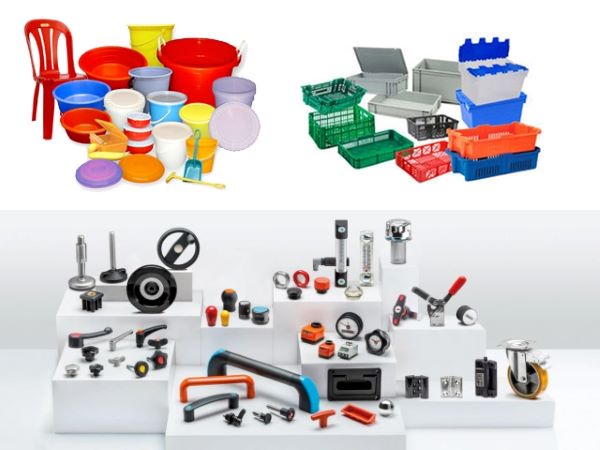
In the modern plastics, coatings, and packaging industries, gloss-enhancing additives play an important role in improving the aesthetic value and surface quality of products. Thanks to their ability to enhance brightness, smoothness, and light reflection effects, gloss-enhancing additives help finished products appear more attractive, professional, and competitive in the market. Beyond aesthetics, these additives also contribute to improving material uniformity and surface finishing during the processing stage.
Concept of Gloss-Enhancing additives
What is a Gloss-Enhancing additive?
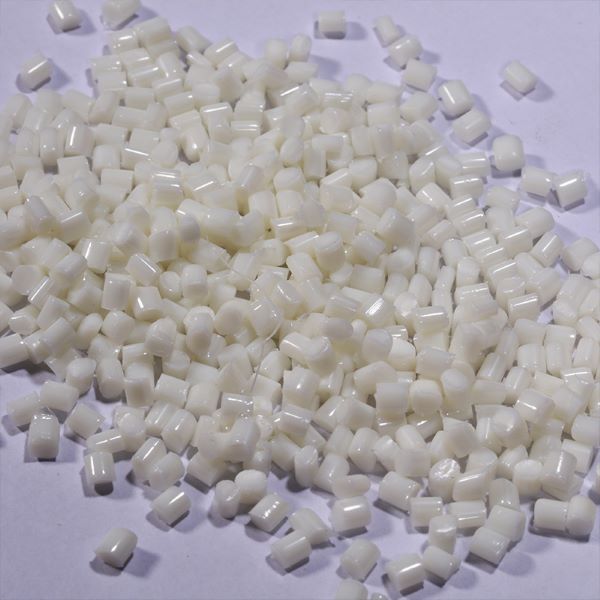
A gloss-enhancing additive is a chemical compound added during plastic processing to improve surface smoothness, increase light reflection, and create a shiny effect on the final product surface. In the plastics industry, this additive usually belongs to the group of external processing aids or derivatives of fatty acids.Concept of Gloss-Enhancing additives
The working mechanism of gloss-enhancing additives is based on the phenomena of diffusion and migration. After being mixed with virgin resins (such as PE, PP, or PVC) in an extrusion machine, the additive molecules disperse between the polymer chains. Because they are not completely compatible with the polymer matrix, they tend to migrate to the product surface immediately after exiting the extrusion die.
At the surface, they form an extremely thin molecular film that fills microscopic imperfections on the plastic surface. This process allows light to reflect more uniformly, thereby creating a higher level of gloss.
For technicians operating extrusion machines, understanding what gloss-enhancing additives are is not limited to the definition alone; it also involves understanding their melting temperature and migration rate in order to properly adjust machine parameters.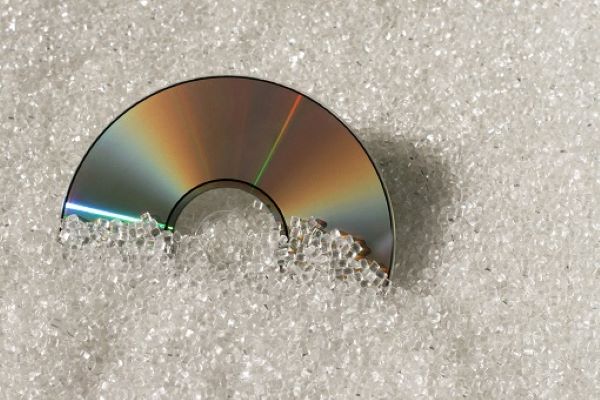
Functions of Gloss-Enhancing Additives
At the surface, they form an extremely thin molecular film that fills microscopic imperfections on the plastic surface. This process allows light to reflect more uniformly, thereby creating a higher level of gloss.
For technicians operating extrusion machines, understanding what gloss-enhancing additives are is not limited to the definition alone; it also involves understanding their melting temperature and migration rate in order to properly adjust machine parameters.
Functions of Gloss-Enhancing Additives
Using plastic gloss-enhancing additives not only provides aesthetic benefits but also significantly improves operational performance and the technical quality of the final product.Functions of Gloss-Enhancing Additives
Enhancing Aesthetics and Brand Value
The most noticeable function is creating plastic films with a smooth, glossy, and attractive appearance. For products such as greaseproof plastic bags, shrink films, or food packaging, the level of gloss is often associated with perceptions of cleanliness and premium quality. Products using gloss-enhancing additive masterbatch usually have higher transparency, allowing the vibrant colors of color masterbatch to be displayed more effectively.
Reducing the Coefficient of Friction
Gloss-enhancing additives used in plastic packaging often have lubricating properties. When they migrate to the surface, they reduce friction between plastic films or between the film and metal machine surfaces. This is particularly important in high-speed automated packaging processes, helping prevent film sticking or tearing.
Supporting the Processing Process
During extrusion, gloss-enhancing additives act as external lubricants, reducing friction between the mold and the extruder. This allows the plastic melt to flow more smoothly, lowers pressure on the die head, increases productivity, and extends equipment lifespan.
Anti-Blocking Capability
Although their primary function is to enhance gloss, many high-grade additives also provide anti-blocking properties between film layers, making plastic bags easier to open.
Improving Printing and Labeling Performance
A smooth and uniform glossy surface allows printing ink to adhere better, resulting in sharper images and more durable colors.
Thin Film Packaging Production
This is one of the largest consumption sectors for gloss-enhancing additives used in PE and PP films. Products such as supermarket bags, greaseproof plastic bags, and shrink films require a glossy surface to attract customers. Using gloss-enhancing additives for greaseproof bags helps the film achieve a shiny appearance, a softer feel, and easier separation during use.
Woven PP Packaging Production
In the production of woven PP bags (such as bags used for rice, fertilizer, or animal feed), these additives help plastic fibers become glossier and reduce friction during weaving. As a result, weaving machines operate more smoothly and the rate of yarn breakage is reduced.
Injection Molding of Household Plastic Products
Plastic household items such as basins, baskets, and food storage containers made from PP often use this additive to eliminate surface roughness, create a deeper gloss, and facilitate easier mold release during the injection molding process.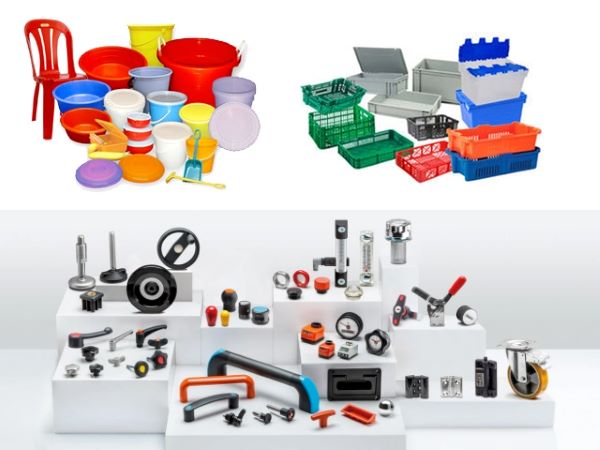
Applications in Household Injection Molding
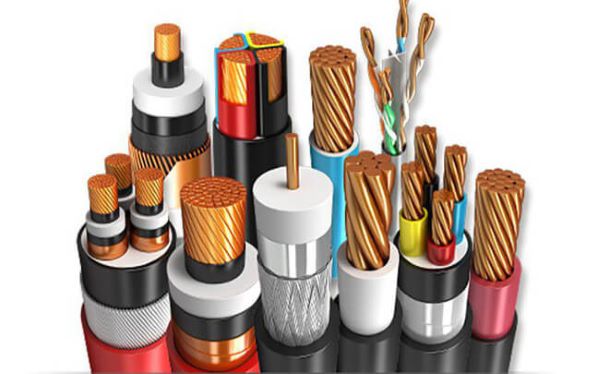
Electrical Cable Industry – Creating Smooth and Glossy Cable Sheaths
The most noticeable function is creating plastic films with a smooth, glossy, and attractive appearance. For products such as greaseproof plastic bags, shrink films, or food packaging, the level of gloss is often associated with perceptions of cleanliness and premium quality. Products using gloss-enhancing additive masterbatch usually have higher transparency, allowing the vibrant colors of color masterbatch to be displayed more effectively.
Reducing the Coefficient of Friction
Gloss-enhancing additives used in plastic packaging often have lubricating properties. When they migrate to the surface, they reduce friction between plastic films or between the film and metal machine surfaces. This is particularly important in high-speed automated packaging processes, helping prevent film sticking or tearing.
Supporting the Processing Process
During extrusion, gloss-enhancing additives act as external lubricants, reducing friction between the mold and the extruder. This allows the plastic melt to flow more smoothly, lowers pressure on the die head, increases productivity, and extends equipment lifespan.
Anti-Blocking Capability
Although their primary function is to enhance gloss, many high-grade additives also provide anti-blocking properties between film layers, making plastic bags easier to open.
Improving Printing and Labeling Performance
A smooth and uniform glossy surface allows printing ink to adhere better, resulting in sharper images and more durable colors.
Applications of Gloss-Enhancing additives in the plastics industry
Gloss-enhancing additives are present in many aspects of daily life through a wide range of plastic products.Thin Film Packaging Production
This is one of the largest consumption sectors for gloss-enhancing additives used in PE and PP films. Products such as supermarket bags, greaseproof plastic bags, and shrink films require a glossy surface to attract customers. Using gloss-enhancing additives for greaseproof bags helps the film achieve a shiny appearance, a softer feel, and easier separation during use.
Woven PP Packaging Production
In the production of woven PP bags (such as bags used for rice, fertilizer, or animal feed), these additives help plastic fibers become glossier and reduce friction during weaving. As a result, weaving machines operate more smoothly and the rate of yarn breakage is reduced.
Injection Molding of Household Plastic Products
Plastic household items such as basins, baskets, and food storage containers made from PP often use this additive to eliminate surface roughness, create a deeper gloss, and facilitate easier mold release during the injection molding process.
Applications in Household Injection Molding
Electrical Cable Industry
Plastic gloss-enhancing additives help the cable insulation layer achieve a smooth and shiny surface, reduce dust adhesion, and improve the aesthetic appearance of industrial products.
Plastic gloss-enhancing additives help the cable insulation layer achieve a smooth and shiny surface, reduce dust adhesion, and improve the aesthetic appearance of industrial products.
Electrical Cable Industry – Creating Smooth and Glossy Cable Sheaths
Applications in PE/PP UV Films
For agricultural covering films or greenhouse films that contain UV stabilizers, incorporating plastic gloss-enhancing additives into PE/PP UV packaging films requires careful formulation. This ensures that the effectiveness of the light stabilizers is not affected while still maintaining optimal transparency for plant photosynthesis.
Why Choose APEX Vietnam?
The use of gloss-enhancing additives not only improves product aesthetics but also enhances the overall quality across many manufacturing sectors. When properly selected and applied, these additives help optimize processing efficiency, increase commercial value, and create sustainable competitive advantages for businesses in the market.
For agricultural covering films or greenhouse films that contain UV stabilizers, incorporating plastic gloss-enhancing additives into PE/PP UV packaging films requires careful formulation. This ensures that the effectiveness of the light stabilizers is not affected while still maintaining optimal transparency for plant photosynthesis.
How to choose the right Gloss-Enhancing additive
To achieve the highest economic and technical efficiency, the following factors should be considered:- Base Resin Type: Additives designed for PE may not perform well with PP due to differences in melting temperature. Therefore, choose additives with a compatible carrier resin.
- Thermal Stability: If your extruder operates at temperatures above 220°C, prioritize Erucamide to prevent additive degradation that may cause black spots on the final product.
- Migration Speed Requirements: If the product needs to appear glossy immediately after production for quick delivery, Oleamide is a good option. If the product will be stored for a longer period, Erucamide provides more stable and long-lasting gloss.
- Food Safety Certification: For food packaging applications, additives must comply with certifications from the Ministry of Health or international standards such as FDA, REACH, or RoHS.
- Impact on Printing: Using excessive gloss-enhancing additives can create an oily surface layer that prevents printing ink from adhering properly. Therefore, surface tension should be carefully tested after adding the additive.
APEX Vietnam – A Leading Supplier of Plastic Additives
If you are looking for a reliable supplier to answer the question, “Where can I buy high-quality gloss-enhancing additives?”, APEX Vietnam is a top strategic partner to consider.Why Choose APEX Vietnam?
- Modern Technology: APEX inherits advanced technological processes and continuous innovation from its parent corporation in Taiwan.
- In-Depth Technical Consultation: APEX Vietnam’s team of engineers is ready to assist customers in optimizing the dosage of gloss-enhancing additives to match their existing machinery systems.
- Commitment to Sustainability: Our products always meet safety standards, are environmentally friendly, and comply with the strict requirements of export markets.
The use of gloss-enhancing additives not only improves product aesthetics but also enhances the overall quality across many manufacturing sectors. When properly selected and applied, these additives help optimize processing efficiency, increase commercial value, and create sustainable competitive advantages for businesses in the market.