
NEWS & EVENTS

- Home
- News
- Products Information
- What Is EPDM Rubber? Properties and Common Applications
What Is EPDM Rubber? Properties and Common Applications
March 11,2026
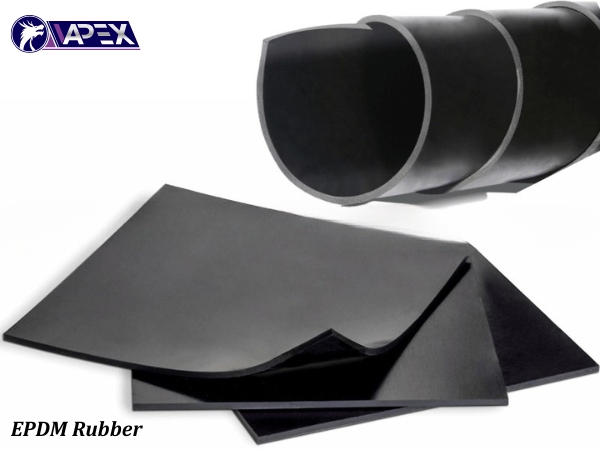
In the field of engineering materials, EPDM rubber is increasingly used thanks to its excellent weather resistance and stable durability in harsh environments. From the automotive and construction industries to heavy manufacturing, this material plays an important role in sealing systems and elastic components. This article explores its key properties and how it is applied in practice across different industries.
EPDM maintains stable elasticity across a wide temperature range, typically from –45°C to 150°C. In addition, the material is resistant to water and certain common chemicals, which is why it is widely used in the production of gaskets, technical seals, roofing materials, and sports surface coverings.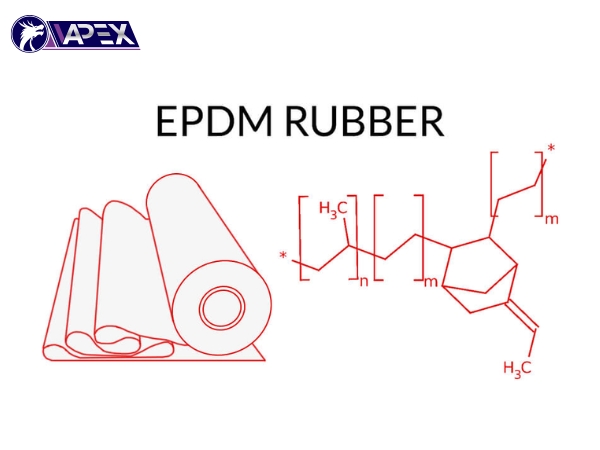
EPDM rubber is a type of synthetic rubber
In addition, the formulation may include: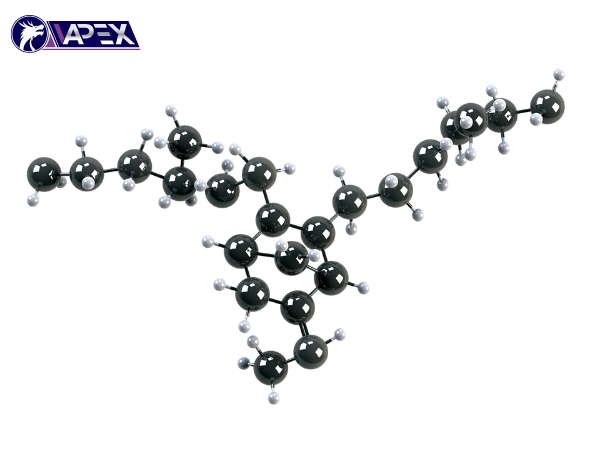
EPDM rubber has an operating temperature range from –50°C to +120°C/150°C
Temperature resistance and chemical resistance can be further improved by adjusting additives and the cross-link density in the formulation.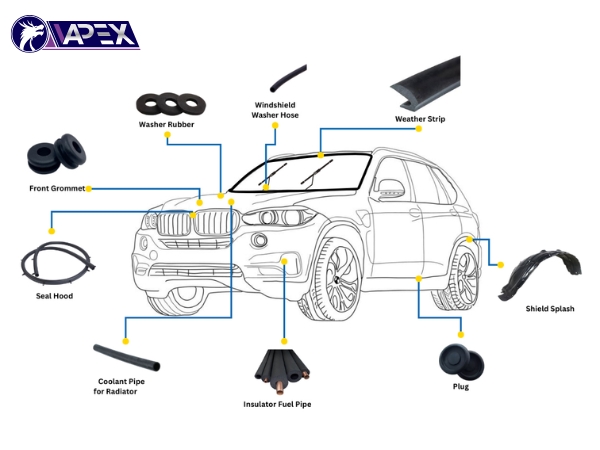
EPDM is used in the automotive manufacturing industry
In addition, EPDM is also used in specialized sports flooring systems such as athletics tracks, tennis courts, gym flooring, and training areas, thanks to its mechanical durability and outdoor stability.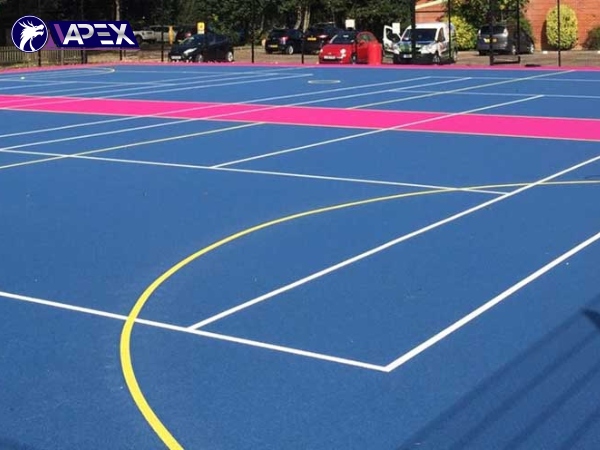
EPDM is used in specialized sports flooring systems.
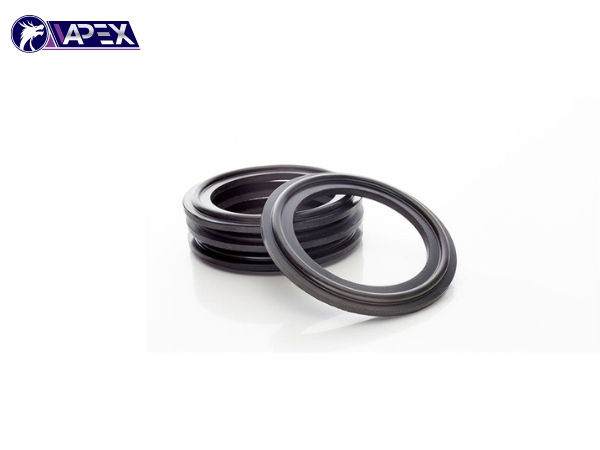
EPDM is used to manufacture sealing gaskets
What Is EPDM Rubber?
EPDM rubber is a type of synthetic rubber made from the monomers ethylene, propylene, and diene. This material is highly valued for its outstanding durability in outdoor environments, with strong resistance to aging caused by UV radiation, ozone, and harsh weather conditions.EPDM maintains stable elasticity across a wide temperature range, typically from –45°C to 150°C. In addition, the material is resistant to water and certain common chemicals, which is why it is widely used in the production of gaskets, technical seals, roofing materials, and sports surface coverings.
EPDM rubber is a type of synthetic rubber
Composition of EPDM Rubber
The performance of EPDM rubber depends not only on the nature of the polymer but also on the structure of its formulation. The main components include:Base Rubber
In the formulation, the base rubber acts as the continuous phase, determining the elasticity and fundamental mechanical framework of the final product. Depending on the ethylene content and the type of third monomer (diene), manufacturers adjust the formulation to achieve the desired hardness and processability on extrusion or molding equipment.Calcium Carbonate Powder
Calcium carbonate powder is an inorganic filler commonly used in EPDM formulations to adjust hardness, improve dimensional stability, and optimize production costs. When ultra-fine calcium carbonate powder with a uniform particle size distribution is used, the material achieves a better surface finish and improved compressive resistance.Other Additives and Vulcanizing Agents
To convert raw rubber into a material with stable elasticity, a vulcanization system is added to create cross-links between polymer chains. Depending on technical requirements, this process may use sulfur-based or peroxide-based systems, combined with accelerators such as CBS or TMTD to control the rate and density of cross-link formation.In addition, the formulation may include:
- Antioxidants and anti-aging agents to reduce property degradation caused by oxygen, ozone, and UV radiation.
- Plasticizing oils to improve softness and processing performance.
- Processing aids to help disperse fillers uniformly within the polymer matrix.
EPDM rubber has an operating temperature range from –50°C to +120°C/150°C
Properties of EPDM Rubber
EPDM rubber is highly valued in outdoor and industrial applications thanks to the following outstanding properties:Mechanical Properties of EPDM Rubber
The main mechanical characteristics include:- Relatively good elasticity and impact resistance.
- Fair tear resistance and abrasion resistance.
- Low inherent adhesion to metals and many other materials.
- Stable electrical insulation performance under high-voltage conditions.
- A wide operating temperature range, typically from –50°C to 120 – 150°C, depending on the vulcanization system.
Chemical Properties of EPDM Rubber
The key chemical characteristics include:- Resistance to polar solvents such as acetone, alcohol, and glycol.
- Ability to withstand dilute acids and alkalis, steam, and hot humid environments.
- Excellent resistance to ozone, UV radiation, and long-term weather exposure.
- Capability to operate in high-temperature environments, depending on the vulcanization system.
Temperature resistance and chemical resistance can be further improved by adjusting additives and the cross-link density in the formulation.
Applications of EPDM Rubber
Below are some typical applications of EPDM rubber in practice, demonstrating the flexibility and reliability of this material across different working environments.Automotive and Transportation Industry
EPDM is widely used in systems that require tight sealing and resistance to harsh environmental conditions:- Gasket and sealing systems: Door seals, window seals, engine compartment gaskets, brake system seals, and other sealing positions for water and dust protection.
- Hose systems: Coolant hoses, air ducts, vacuum hoses, and various auxiliary pipelines.
- Elastic components: Shock-absorbing pads, trunk seals, floor linings, and anti-vibration components.
EPDM is used in the automotive manufacturing industry
Construction and Architecture
EPDM is highly valued in outdoor applications and structural components that require long service life:- Technical waterproofing membranes: Roofing membranes, liners for tanks, swimming pools, canals, and hydraulic structures.
- Door and window sealing systems: Fire-resistant seals and watertight gaskets for aluminum glass doors and garage doors.
- Elastic construction components: Expansion joints and cushioning pads for concrete and steel structures.
Sports Surfaces and Playgrounds
EPDM in the form of granules or sheets is used to create surfaces with excellent elasticity and impact absorption. This material is commonly applied as playground flooring to enhance shock absorption and reduce the risk of injuries from impacts.In addition, EPDM is also used in specialized sports flooring systems such as athletics tracks, tennis courts, gym flooring, and training areas, thanks to its mechanical durability and outdoor stability.
EPDM is used in specialized sports flooring systems.
Industrial and Engineering Applications
With strong heat resistance and good resistance to polar environments, EPDM is used in:- Sealing systems (gaskets/seals): O-rings for industrial valves, pumps, and equipment operating with hot water or steam.
- Electrical insulation applications: Cable sheathing, connectors, and insulation components for medium- to high-voltage systems.
- Industrial hoses: Hoses for dilute chemicals, low-concentration acid/alkali solutions, and hot steam.
Residential and Consumer Applications
In residential applications, EPDM is used to produce sealing gaskets for washing machines, dishwashers, and appliances operating with hot water. In addition, the material appears in various sports products and technical components that require strong weather resistance and long-term elasticity retention.EPDM is used to manufacture sealing gaskets
Stable Calcium Carbonate Powder Supply for the EPDM Rubber Industry in Vietnam
APEX Vietnam is a supplier specializing in calcium carbonate (CaCO₃) limestone powder for various manufacturing sectors, including the EPDM rubber industry. With years of experience in industrial raw materials, the company focuses its development on maintaining a stable supply and clearly defined quality standards.- Strict quality control: Each batch of calcium carbonate powder is evaluated based on technical parameters such as whiteness, particle size, and purity before distribution to meet formulation requirements in manufacturing. The inspection process follows internal standards to ensure consistency between batches.
- Flexible commercial policies: APEX offers pricing structures tailored to different order volumes while applying discounts based on purchase quantity and partnership duration. Pricing information is provided transparently to minimize unexpected additional costs.
- Stable supply capacity: With an established warehouse system and secure raw material sources, the company maintains continuous distribution capacity to meet the needs of manufacturing plants nationwide.
- Technical support and accompanying services: A team of material specialists assists customers in selecting the appropriate fineness grade and application approach for specific EPDM formulations, while also providing ongoing after-sales support throughout the cooperation process.