
NEWS & EVENTS

- Home
- News
- Products Information
- What Is Wood-Grain Plastic Flooring? Detailed Structure of Wood-Grain Plastic Flooring
What Is Wood-Grain Plastic Flooring? Detailed Structure of Wood-Grain Plastic Flooring
March 11,2026
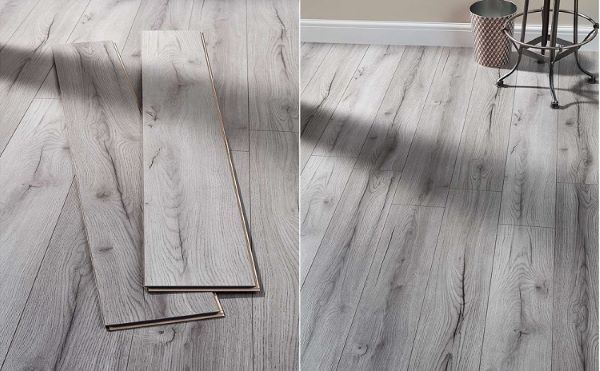
The structure of wood-grain plastic flooring is a key factor that determines the durability, aesthetics, and resistance of the material in interior environments. For homeowners, architects, and contractors, understanding each structural layer not only helps in selecting high-quality products but also ensures proper installation according to technical standards. In this in-depth article, we will analyze each structural layer in detail, explore the most common types of plastic flooring available today, and review the technical standards you should know.
Today, wood-grain plastic flooring has become a leading choice for many projects from apartment buildings and offices to commercial spaces thanks to its wide range of designs and reasonable cost. However, the difference between low-cost plastic flooring and premium flooring lies mainly in the structure of wood-grain plastic flooring.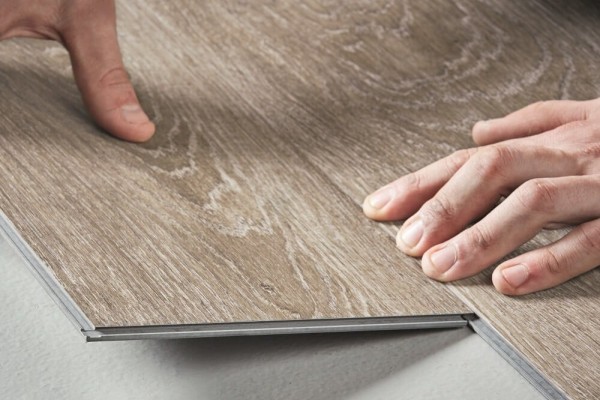
Concept of Wood-Grain Plastic Flooring
Structure of Wood-Grain Plastic Flooring
What is Wood-Grain plastic flooring?
Wood-grain plastic flooring (in English: Wood Plastic Composite or Vinyl Flooring) is a modern flooring material made from main components such as PVC (Polyvinyl Chloride) plastic, stone powder, and various additives. Unlike natural wood flooring or engineered wood flooring, plastic flooring is designed to overcome common drawbacks such as water sensitivity, termite damage, or warping caused by weather conditions.Today, wood-grain plastic flooring has become a leading choice for many projects from apartment buildings and offices to commercial spaces thanks to its wide range of designs and reasonable cost. However, the difference between low-cost plastic flooring and premium flooring lies mainly in the structure of wood-grain plastic flooring.
Concept of Wood-Grain Plastic Flooring
Structure of Plastic Flooring
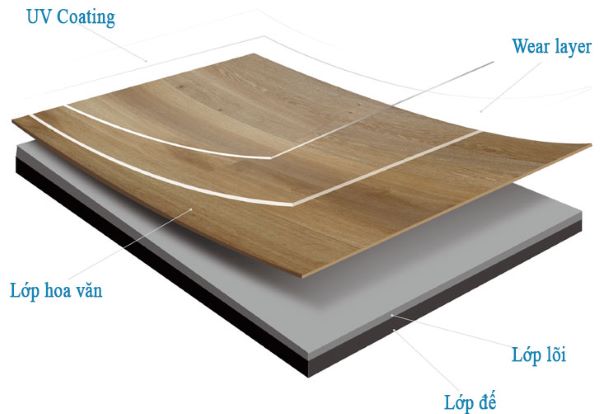
A standard wood-grain plastic flooring plank is typically composed of five layers tightly pressed together under high pressure and temperature. This thermal pressing technology ensures that the layers remain firmly bonded and do not separate during use.Structure of Wood-Grain Plastic Flooring
UV Coating Layer
This is the top layer of the flooring plank. The UV coating is a special compound layer that makes the floor surface more durable and protects it from direct exposure to sunlight.
Located directly beneath the UV layer, the wear layer is a transparent and highly durable vinyl layer. This is the most important component in evaluating the mechanical durability of plastic flooring.
This layer gives the flooring its visual identity. The wood grain design is printed using high-resolution 3D printing technology, accurately simulating rare natural woods such as Walnut, Oak, or Teak.
The core layer determines the physical properties of the flooring. Depending on the flooring type, this core may consist of virgin PVC or a stone powder composite (SPC).
This is the bottom layer that comes into direct contact with the subfloor.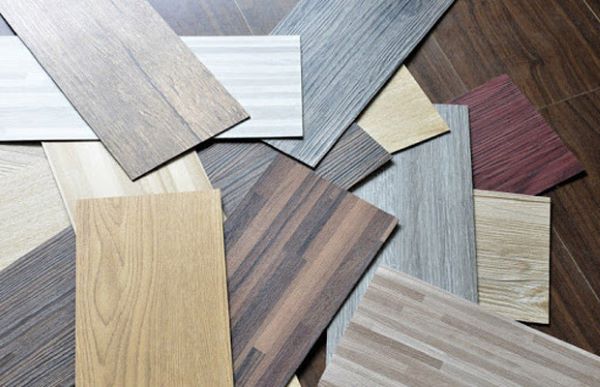
PVC Plastic Flooring
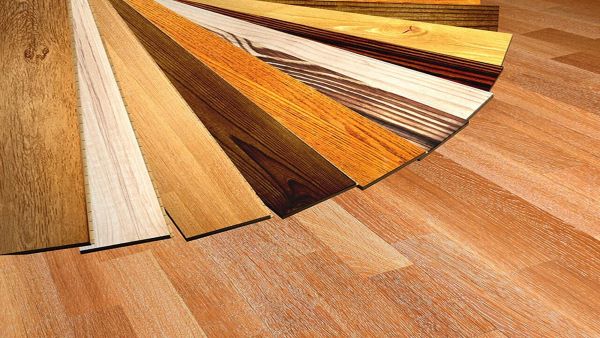
SPC Plastic Flooring
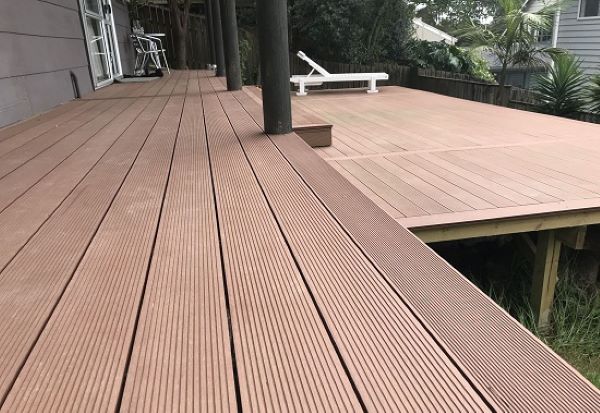
WPC Plastic Flooring
APEX Vietnam is proud to be a pioneer in supplying masterbatch and ultra-fine CaCO₃ stone powder with outstanding quality in the Vietnamese market. Our products are manufactured using modern production lines and meet the strict standards required by SPC flooring factories producing for export. With quality as our core focus, APEX Vietnam continuously innovates its technology to provide optimal raw material solutions, helping enhance load-bearing capacity and durability in the structure of plastic flooring.
Choosing raw materials from APEX Vietnam not only helps extend the lifespan of flooring products but also ensures safety and user friendliness thanks to a strict impurity control process.
Understanding the structure of wood-grain plastic flooring is a smart step that helps you invest wisely and avoid low-quality products that may quickly peel, warp, or fade. Prioritize flooring with a solid SPC core layer, a sufficiently thick wear layer, and products supplied by reputable brands. If you are a manufacturer or contractor looking for high-quality masterbatch and CaCO₃ stone powder to produce durable flooring materials, APEX Vietnam is always ready to partner with you. With dedication and deep technical expertise, APEX Vietnam is committed to delivering superior products that enhance both the aesthetic value and durability of construction projects across Vietnam.
This is the top layer of the flooring plank. The UV coating is a special compound layer that makes the floor surface more durable and protects it from direct exposure to sunlight.
- Function: Protects against ultraviolet rays, prevents fading of the wood grain pattern, and enhances either gloss or matte finishes depending on the design.
- Value: Helps the floor maintain a like-new appearance even after many years of use.
Located directly beneath the UV layer, the wear layer is a transparent and highly durable vinyl layer. This is the most important component in evaluating the mechanical durability of plastic flooring.
- Common thickness: From 0.1 mm to 0.7 mm.
- Function: Provides scratch resistance, slip resistance, and protection against mold and bacteria. For high-traffic areas (such as cafés or shopping centers), the wear layer should be at least 0.5 mm thick.
This layer gives the flooring its visual identity. The wood grain design is printed using high-resolution 3D printing technology, accurately simulating rare natural woods such as Walnut, Oak, or Teak.
- Characteristics: Diverse colors and highly detailed patterns that replicate natural wood grains and knots.
- Trend: Many premium plastic flooring products now use EIR technology (Embossed in Register), where the wood grain pattern aligns with the embossed surface texture, creating a realistic tactile experience.
The core layer determines the physical properties of the flooring. Depending on the flooring type, this core may consist of virgin PVC or a stone powder composite (SPC).
- Function: Provides structural strength, impact resistance, and the necessary elasticity or rigidity.
- Composition: Vinyl plastic, CaCO₃ stone powder, and other stabilizing additives.
This is the bottom layer that comes into direct contact with the subfloor.
- Function: Prevents moisture from rising from the ground and protects the upper layers from dampness and mold.
- Material: Usually made from PVC backing or synthetic plastic. In some premium products, the base layer may include an IXPE rubber layer to enhance sound insulation.
Distinguishing types of plastic flooring on the market: PVC, SPC, and WPC
Based on the structure of plastic flooring, the market is generally divided into three main categories, each with clearly different technical characteristics.PVC Plastic Flooring
This is the traditional vinyl plastic flooring, typically characterized by a flexible structure.- Characteristics: The main component is PVC plastic, which makes up a large proportion of the material. The flooring is usually thin, ranging from 1.5 mm to 3 mm.
- Types: Glue-down vinyl flooring and self-adhesive vinyl flooring.
- Advantages: Affordable price, quick installation, flexible and easy to cut or shape.
- Disadvantages: Requires an extremely flat subfloor. It can develop bubbles or lifting if the adhesive quality is poor or if the subfloor is damp.
PVC Plastic Flooring
SPC Plastic Flooring
This is the newest and most popular type of plastic flooring today. The structure of SPC click-lock wood-grain plastic flooring features a core layer made from a combination of natural stone powder (CaCO₃) and virgin plastic.- Composition: Approximately 60–70% stone powder, with the remainder consisting of PVC plastic and additives.
- Characteristics: Extremely rigid, resistant to shrinkage and expansion, heat-resistant, and completely waterproof.
- Applications: Suitable for living rooms, kitchens, and bathrooms.
- Connection with the supporting industry: To produce a high-quality SPC core layer, the supply of CaCO₃ stone powder plays a decisive role. APEX Vietnam is currently a leading supplier of CaCO₃ stone powder and masterbatch, helping SPC flooring manufacturers achieve optimal mechanical durability and product stability.
SPC Plastic Flooring
WPC Plastic Flooring
WPC flooring is a combination of wood powder and plastic (Wood–Plastic Composite).- Characteristics: The planks are thicker than SPC flooring (usually 6 mm – 8 mm) and lighter in weight due to the air-foam structure inside the core layer.
- Advantages: Provides a softer and more comfortable walking feel, with superior thermal and sound insulation.
- Disadvantages: Less rigid than SPC flooring and more susceptible to moisture due to the presence of wood powder in its composition.
WPC Plastic Flooring
APEX Việt Nam - Đơn vị cung cấp bột đá CaCO₃ chất lượng cao
In the value chain of wood-grain plastic flooring production, especially SPC flooring, the quality of the core layer largely depends on the input materials. CaCO₃ stone powder plays the role of the main filler, helping increase rigidity, improve heat resistance, and reduce production costs while still maintaining aesthetic quality.APEX Vietnam is proud to be a pioneer in supplying masterbatch and ultra-fine CaCO₃ stone powder with outstanding quality in the Vietnamese market. Our products are manufactured using modern production lines and meet the strict standards required by SPC flooring factories producing for export. With quality as our core focus, APEX Vietnam continuously innovates its technology to provide optimal raw material solutions, helping enhance load-bearing capacity and durability in the structure of plastic flooring.
Choosing raw materials from APEX Vietnam not only helps extend the lifespan of flooring products but also ensures safety and user friendliness thanks to a strict impurity control process.
Understanding the structure of wood-grain plastic flooring is a smart step that helps you invest wisely and avoid low-quality products that may quickly peel, warp, or fade. Prioritize flooring with a solid SPC core layer, a sufficiently thick wear layer, and products supplied by reputable brands. If you are a manufacturer or contractor looking for high-quality masterbatch and CaCO₃ stone powder to produce durable flooring materials, APEX Vietnam is always ready to partner with you. With dedication and deep technical expertise, APEX Vietnam is committed to delivering superior products that enhance both the aesthetic value and durability of construction projects across Vietnam.