
BLOG

- Home
- Blog
- Plastic Polymer Composite Article
- Common problems with plastic pelletizing machines and troubleshooting methods
Common problems with plastic pelletizing machines and troubleshooting methods
October 02,2026
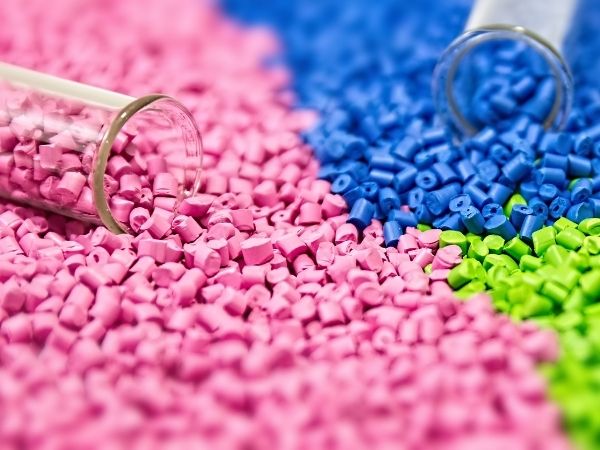
Common problems with plastic pelletizing machines include various issues involving electrical and mechanical systems, as well as the plasticizing process, each with specific technical causes and solutions. This article serves as an on-site guide for factory owners and technicians, helping reduce downtime, scrap, and extend extruder service life. APEX Vietnam also provides guidance on regular maintenance and processing PP, PE, HDPE, and PVC materials to prevent problems at the source.
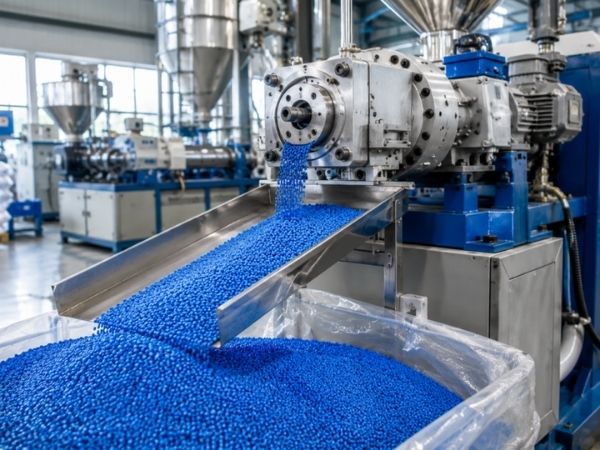
APEX Vietnam identifies common plastic pelletizing machine problems and solutions
Root causes of plastic pelletizing machine problems
Common problems with plastic pelletizing machines primarily originate from four root cause groups: unstable input materials, incorrect parameter settings, worn components, and irregular maintenance. Based on practical operating experience at recycling workshops in Vietnam, over 60% of plastic pelletizing extruder faults originate from the first two factors.
Unstable input materials
Input material quality largely determines the quality of the entire pelletizing process. When input materials are unstable, even the most precisely configured machine parameters cannot consistently produce acceptable output.
- High moisture content: Virgin or recycled resin containing moisture above the allowable threshold causes uneven melting inside the barrel, generating steam that creates air bubbles in the pellets - and can even cause continuous strand breakage at the die head exit.
- Contaminants: Resin mixed with contaminants such as metal particles, dust, paper, or incompatible resin types will clog the screen filter, accelerate screw and cutter wear, and cause discoloration or contamination in the finished pellets.
- Non-uniform material blending: Uneven blending of base resin with additives, colorants, or recycled resin leads to unstable material density, resulting in pellets that are inconsistent in size and mechanical properties.
Incorrect machine parameter settings
Each resin type (PE, PP, PVC, PET, ABS, etc.) has different melting characteristics and melt viscosity, requiring a distinct set of operating parameters. A deviation in even a single parameter can trigger a cascade of common problems with plastic pelletizing machines and line-wide faults.
- Temperature: Heating zone temperatures on the barrel and die head that are too high cause resin burning, thermal degradation, gas generation, and discoloration; temperatures that are too low cause uneven melt flow, blockages, or unstable extrusion output.
- Screw speed: A screw speed too fast relative to the heating capacity pushes resin out before it is fully melted; a speed too slow causes resin accumulation and increases the risk of localized resin burning.
- Cutter speed: A cutter operating out of synchronization with the extrusion speed is the direct cause of pellets being too long, too short, or fused together in clusters.
Causes of problems in plastic pelletizing machines
Worn components
After extended operation, the mechanical components subjected to friction and high temperatures in plastic pelletizing machines will inevitably degrade without periodic inspection.
- Cutters: Dull or chipped cutter blades tear rather than cleanly cut the resin strand, producing pellets with irregular shapes and elongated tails that affect packaging and downstream processability.
- Screw: A screw with worn flight channels loses its compression and conveying capacity, causing unstable extrusion output and a noticeable decline in throughput over time.
- Die head: A die head (die) with worn or deformed orifices produces uneven strand flow that easily deflects and causes continuous strand breakage.
Irregular maintenance
Many businesses only maintain their machines after common problems with plastic pelletizing machines occur, instead of proactively following a preventive maintenance schedule. Neglecting periodic screen filter cleaning, lubrication, and inspection of the electrical system and temperature sensors allows small faults to accumulate into major breakdowns - causing sudden machine stoppages and costly repairs.
7+ common problems with plastic pelletizing machines and troubleshooting methods
Common problems with plastic pelletizing machines can be resolved quickly by correctly identifying the symptom, tracing back to the root cause, and executing each corrective step safely. Workshop-level diagnosis typically begins with three simple signals: listening for abnormal motor sounds, inspecting the surface of finished pellets, and monitoring the ampere reading.
|
|
|
|
|
|
|
|
|
|
|
|
|
|
|
|
|
|
|
|
|
|
|
|
|
|
|
|
|
|
|
|
Important note: Do not handle electrical components yourself unless you are an industrial electrician. Only conduct external visual inspection and power down before opening any machine cover.
Machine fails to start or shuts down unexpectedly
When the machine fails to operate or stops mid-run, the inspection sequence must proceed from simple to complex. First, confirm the incoming power supply voltage is adequate, then check the fuses and verify the emergency stop button is not stuck in the pressed position. If the inverter displays a motor overload fault code, allow the machine to cool for at least 15 minutes before resetting and restarting - attempting to restart while the machine is still hot risks damaging the motor windings.
Extruder produces no resin or unstable flow
The symptom of no output or intermittent output is typically caused by three root causes in descending order of probability:
- Hopper bridging - material compacts into an arch at the feed throat that blocks resin from falling through.
- Clogged screen filter - increased back pressure exceeds motor pushing capacity.
- Worn screw - reduced material conveying capability.
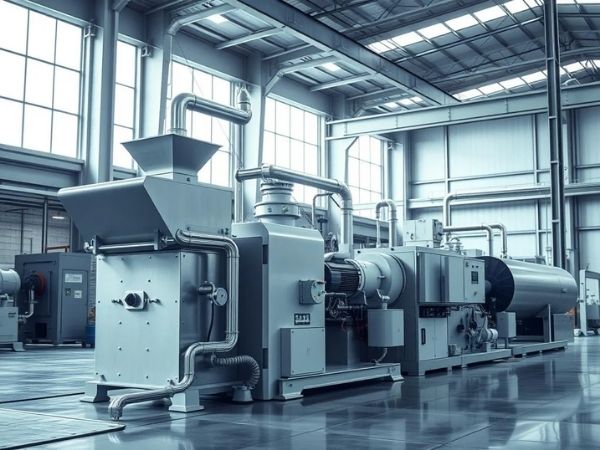 Operational problems causing unstable plastic extrusion
To check for these common problems with plastic pelletizing machines, monitor the motor amperage: unusually low amperage often indicates insufficient material or bridging, while unusually high amperage indicates a clogged screen or extrusion die. Older plastic granulator and batch-type pelletizing machines are more prone to hopper bridging due to smaller hopper inlet angles.
Continuous strand breakage during pelletizing
Continuous strand breakage during pelletizing is the clearest indicator of three issues: high raw material moisture generating air bubbles that rupture the strand; plasticizing temperature too low causing incomplete resin melting; or a poorly functioning vacuum vent system on the barrel failing to evacuate moisture vapor. The corrective procedure is:
- Dry the resin to below the manufacturer's recommended moisture threshold.
- Inspect the vent valve and vacuum pump.
- Gradually increase the plasticizing zone temperature in 5°C increments until the strand runs stably.
Note: Do not raise temperature abruptly, as this can cause thermal degradation of PVC resin or mixed recycled resin blends.
Non-uniform pellet size
Inconsistent pellet size originates from:
- Loss of synchronization between cutter speed and extrusion speed - when extrusion speed increases without a corresponding cutter adjustment, pellets will be longer than normal.
- Excessive gap between the cutter blades and the die face - a gap that is too large causes the strand to elongate before being cut.
- Cooling tank water that is insufficiently cold or has uneven flow - pellets that have not solidified when they reach the cutter result in fused clusters and deformed shapes.
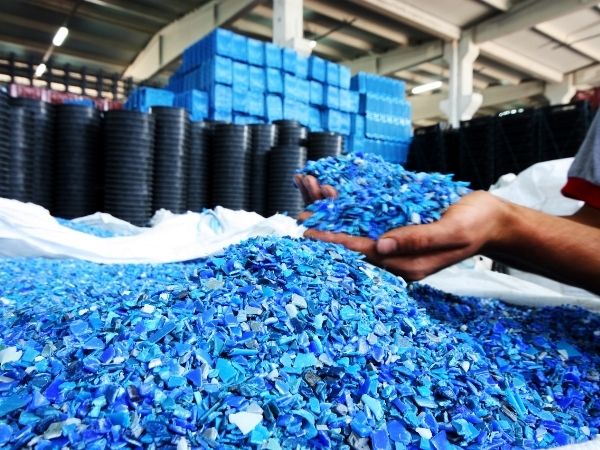 Inconsistent and uneven product quality
Adjusting the cutter inverter to synchronize with the screw inverter is the basic adjustment for this common problem with plastic pelletizing machines before checking other mechanical factors.
Poor cutter performance
Cutter faults typically manifest as crushed, tailed, or non-separated pellets. Mechanical causes include:
- Dull cutter blades from abrasive wear.
- Loose drive belt reducing cutting force.
- Worn cutter assembly bearings causing eccentric rotation.
The mandatory corrective procedure requires a complete machine shutdown, power isolation, and the posting of a warning sign before opening the pellet cutting system cover. Then inspect blade sharpness, re-tension the drive belt to manufacturer specifications, and lubricate the bearings. Periodic cutter maintenance every 200–500 operating hours depending on resin type is a widely referenced benchmark at recycling workshops.
Die head blockage or restriction
Signs of common problems with plastic pelletizing machines:
- Motor ampere rising above normal operating range.
- Extrusion pressure gauge reading elevated above normal.
- Abnormally high die head temperature.
- Black spots or yellow streaks appearing on finished pellets.
The primary cause is a screen changer clogged with accumulated contaminants or localized resin burning that deposits char inside the die. At this point, reduce screw speed, slowly depressurize, shut down following the standard procedure, then remove the used screen filter, install a new screen, and clean the die head using heat-resistant specialty tooling.
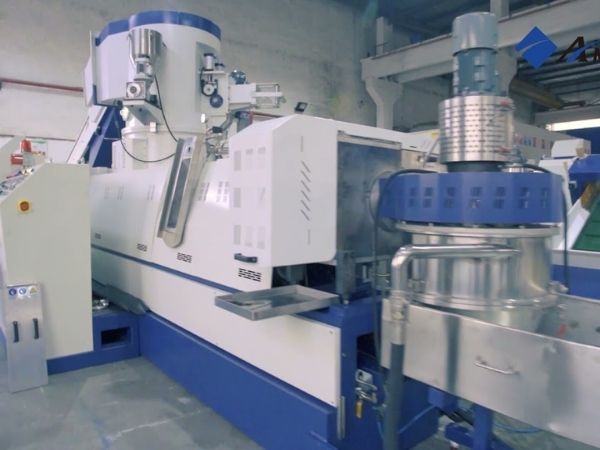
Machine parts damaged or jammed
Burnt, discolored, or contaminated pellets
Pellets that are scorched black, yellowed, or contain black specks result from processing temperatures set too high relative to the thermal degradation temperature of the resin being run, or from resin remaining in the barrel for an extended period when the machine stops without purging. Rough pellet surfaces are typically linked to cooling tank water that is insufficiently cold or has uneven flow.
Surface gloss will visibly improve once temperature and cooling water are simultaneously stabilized. The corrective checklist for this issue includes:
- Reduce each heating zone temperature by 5–10°C.
- Increase extrusion speed to reduce resin residence time in the barrel.
- Purge the screw using a dedicated purging compound.
- Inspect the cooling tank circulation pump system.
How do raw material and additive quality affect the pelletizing process?
Raw material and additive quality directly affects melt stability, machine blockage risk, and pellet quality - and must be controlled at the input stage. This is a perspective that recycling workshops often overlook when focusing too heavily on machine parameter adjustments without addressing the root cause of common problems with plastic pelletizing machines from the material side.
Differences between PP, PE, HDPE, PVC and recycled resin during pelletizing
Each resin type has a different plasticizing temperature range and melt flow characteristics - the core reason why applying a single parameter set across multiple resin types consistently leads to faults.
|
|
|
|
|
|
|
|
|
|
|
|
|
|
|
|
|
|
|
|
Moisture, contaminants, and additives: effects on air bubbles, burning, and blockages
- Raw material moisture content is the leading cause of common problems with plastic pelletizing machines such as air bubbles inside pellets and hollow-core defects. When wet resin enters the heating zone, water vaporizes and creates bubbles within the melt stream.
- Metal contaminants mixed into the input material not only abrade the screw but can also cause localized hard jams that lead to screw fracture.
- Color masterbatch pellets or color resin pellets that are incompatible with the base resin, or that have not been uniformly blended, produce color streaks and undissolved specks on the surface of finished pellets.
Standard material preparation and control procedure to reduce machine faults
Input plastic material and additive quality control must follow a 5-step procedure before each production shift:
- Step 1: Sort and remove coarse contaminants.
- Step 2: Grind to a particle size appropriate for the feed hopper inlet.
- Step 3: Dry resin to the recommended moisture level.
- Step 4: Remove metal using a magnetic separator or magnetic trap.
- Step 5: Blend additives and masterbatch uniformly before feeding into the hopper.
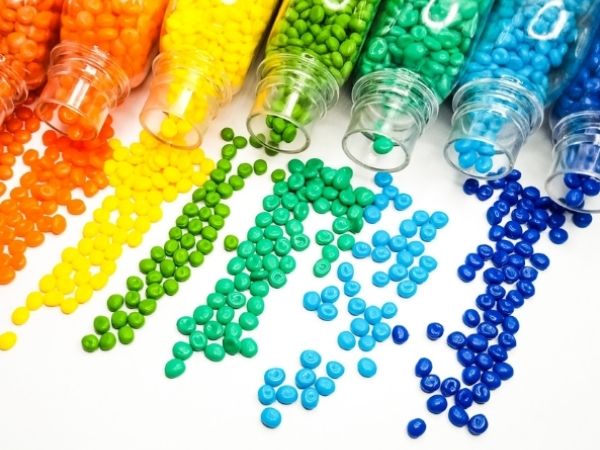 Controlling incoming materials to reduce machine problems
Ways to reduce faults and improve plastic pelletizing machine performance
Businesses should build a comprehensive management process to minimize common problems with plastic pelletizing machines and sustain stable long-term operating performance, incorporating:
- Input material quality control: Dry to the standard moisture content, screen out contaminants, and ensure uniform material blending before feeding into the machine.
- Standardizing operating parameters: Develop temperature, screw speed, and cutter speed parameter tables specific to each resin type and store them for consistent use across production shifts.
- Preventive maintenance scheduling: Inspect, lubricate, and clean screen filters and die heads on fixed cycles rather than waiting for the machine to signal a fault before acting.
- Operator training: Equip operators with the knowledge to recognize early warning signs of abnormal conditions - unusual sounds, vibration, burning resin odor - to intervene before a fault escalates.
- Optimizing the blending formula and additives: This factor is frequently overlooked yet has a profound impact on both machine performance and finished pellet quality.
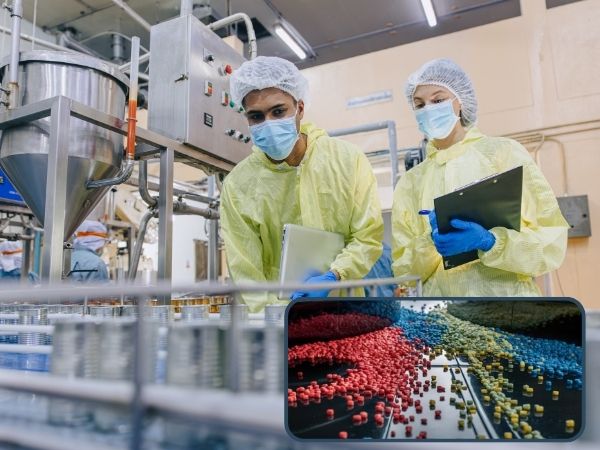
Proper material control, operation, and maintenance to reduce problems
Combining all five factors helps minimize unplanned downtime while significantly improving product quality. APEX Vietnam understands that behind every common problem with plastic pelletizing machines often lies a deeper issue related to incoming material quality and formulation. With years of experience, our technical team can help businesses optimize formulations and recommend additive systems tailored to each product line.
Contact APEX Vietnam today for technical consultation and competitive quotes on materials and additive systems suitable for your production line!
Article Classification
Recent Articles
- What is pressure forming? How it works in the plastics industry
- Plastic Injection Mold: Types, Structure, and Operating Principle
- Common problems with plastic pelletizing machines and troubleshooting methods
- Top 7 Reputable Plastic Additives Companies in Vietnam
- Blending Plastic Additives: Formulas for PVC, PP, and PE