
BLOG

- Home
- Blog
- Plastic Polymer Composite Article
- Blending Plastic Additives: Formulas for PVC, PP, and PE
Blending Plastic Additives: Formulas for PVC, PP, and PE
October 02,2026
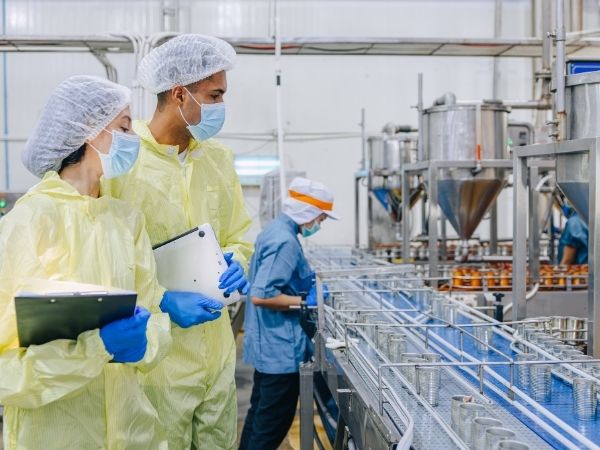
Blending plastic additives directly affects the mechanical, physical, and chemical properties of finished products and production efficiency. In this article, APEX Vietnam covers additive groups, standard blending processes, PP/PE/PVC formulations, common errors, and optimization principles. The content is tailored to plastics engineers and processing plant owners.
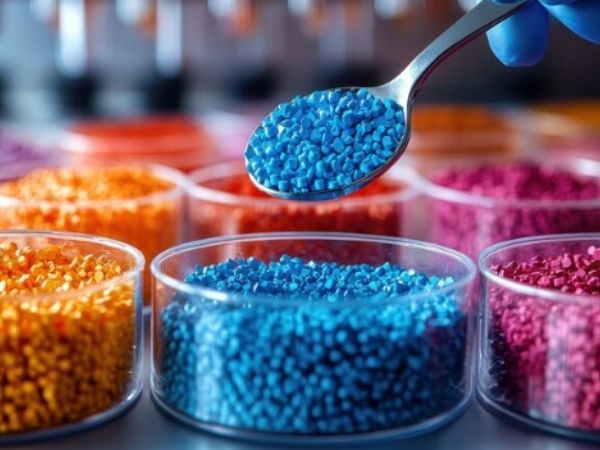
APEX Vietnam introduces effective plastic additive blending formulations
What is blending plastic additives?
Plastic additives are chemical compounds introduced into base resin pellets to improve processing properties or end-product performance. They exist in multiple forms: fine powder, liquid, or pre-dispersed in a carrier resin as pellets - known as additive masterbatch.
Blending plastic additives is the process of combining base resin pellets (PP, PE, PVC, etc.) with individual additives or additive masterbatches at defined ratios to produce a plastic additive compound that meets the precise technical requirements of the final product. It is the bridge between the theoretical formula and the actual product on injection molding, extrusion, or blown film lines.
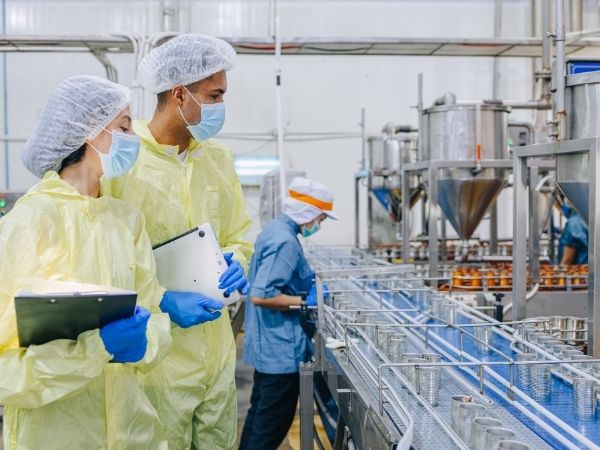
Blending additives with base resin to meet technical requirements
Factors to determine before blending plastic additives
Process engineers must carefully analyze technical parameters before weighing and measuring materials for blending plastic additives. Accurately identifying input variables ensures the additive system delivers full effectiveness and avoids antagonistic reactions during thermal processing.
Base resin type
The base resin type is the first and most critical factor, since each polymer has a different processing temperature, polarity, and chemical compatibility. The table below summarizes the key considerations for blending the three most common base resins:
|
|
|
|
|
|
|
|
|
|
|
|
|
|
|
|
|
|
|
|
Product performance objectives
The performance objectives of the final product determine which additive groups must be prioritized in the blending plastic additives formula. Common objectives in real-world production include:
- Increasing hardness: Mineral fillers (CaCO₃, talc) or reinforcing fibers (glass fiber) to increase rigidity and elastic modulus.
- Increasing toughness (impact resistance): Impact modifiers to prevent cracking under sudden force.
- UV resistance: UV absorbers or HALS (Hindered Amine Light Stabilizers) to extend outdoor product service life.
- Flame retardancy: Flame retardant additive systems such as halogen or phosphorus-based compounds, commonly used in electrical cables and construction materials.
- Cost reduction: Higher ratios of low-cost fillers such as CaCO₃ to reduce unit cost, balanced to avoid compromising mechanical properties.
- Whiteness enhancement: Optical brighteners or TiO₂ to improve brightness and opacity.
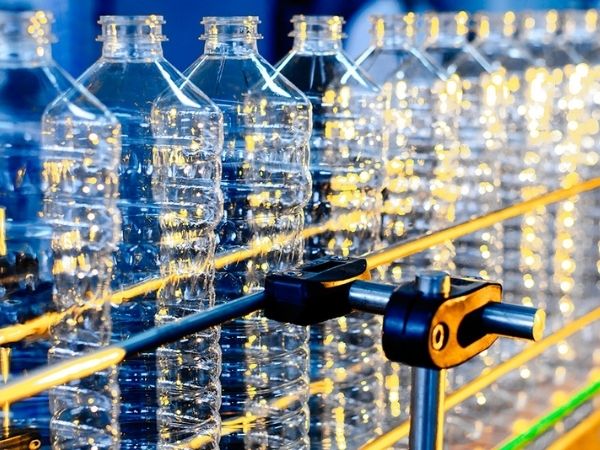
Blending additives based on product objectives
Each objective corresponds to a distinct additive group, and in practice, a formula typically needs to balance multiple objectives simultaneously.
Processing technology
Processing technologies such as blow extrusion, injection molding, pipe extrusion, and calendering determine the temperature conditions, screw speed, and pressure that the resin-additive mixture must withstand.
A formula optimized for injection molding may not be suitable for a pipe extrusion line, because the residence time and temperature profiles of the two technologies differ significantly - directly affecting the type and loading level of heat stabilizers and processing aids selected.
Blending plastic additives formulas by resin type
The ratios below are reference guidelines, not the only correct formulas. Each specific application requires optimization through pilot trials and actual mechanical testing before full-scale production. Baseline standards for additive quantification and blending sequence can also be referenced from TCCS 43:2022 of the Vietnam Roads Administration on additive blending procedures for plastic mixtures.
For PP resin
PP plastic products such as furniture, battery casings, and BOPP film require a balance between rigidity and heat resistance. Engineers build the blending formula for PP resin using the following reference ratios:
- PP base resin: 60 - 80% (Provides the structural framework and basic mechanical properties)
- Talc or CaCO₃ filler masterbatch: 15 - 30% (Increases rigidity, improves dimensional stability, and reduces shrinkage)
- Antioxidant (Antioxidant 1010/168): 0.1 - 0.5% (Prevents polymer chain scission during melt blending)
- Dispersing aid (Polyethylene Wax): 1 - 2% (Supports uniform dispersion of filler particles throughout the resin mass)
For PE resin
PE plastic products such as nylon film, packaging bags, and water pipes require flexibility combined with surface anti-blocking performance. The PE resin blending formula focuses on the following components:
- PE base resin (HDPE/LDPE/LLDPE): 70 - 85% (Provides flexibility and the bonding framework for the product)
- PE filler masterbatch: 10 - 25% (Optimizes production costs)
- Anti-blocking agent: 1 - 3% (Creates micro-surface roughness to prevent film layers from adhering to each other)
- Slip agent (Erucamide): 0.1 - 0.5% (Reduces the coefficient of friction on the film surface)
- UV resistance additive: 1 - 3% (Protects agricultural mulch film from solar radiation)
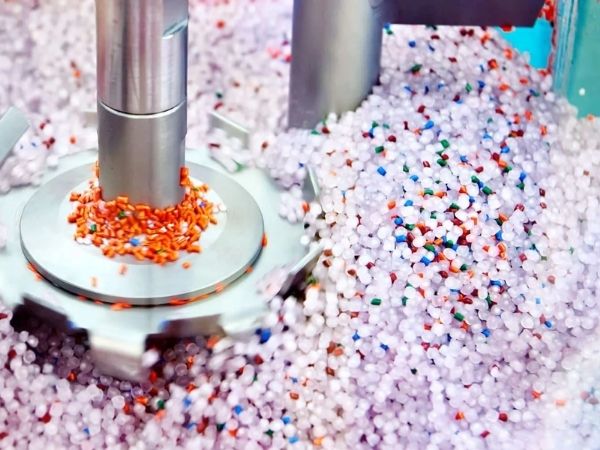
Additive blending formulations for each type of resin
For PVC resin
The PVC blending process requires absolute precision because this material is highly sensitive to temperature. Engineers calculate additive quantities for PVC using phr units (parts of additive per 100 parts of base resin):
- PVC base resin (S-PVC): 100 phr (Fine powder form, not yet thermally processed)
- Heat stabilizer (Ca/Zn or Lead-based): 2.5 - 5 phr (Mandatory component to prevent PVC thermal degradation)
- Plasticizer (DOP/DINP): 0 - 60 phr (Adjusts flexibility; omitted when producing rigid PVC pipe)
- Processing aid (Acrylic-based): 1 - 3 phr (Promotes resin gelation)
- Calcium Carbonate powder (CaCO₃): 5 - 20 phr (Increases rigidity and reduces cost)
- Lubricant (Stearic Acid/Paraffin Wax): 0.5 - 1.5 phr (Reduces friction between resin and machine metal surfaces)
Common errors when blending plastic additives
Common errors in blending plastic additives include selecting additives incompatible with the base resin, incorrect usage ratios, and functional redundancy - all of which lead to product defects and uncontrolled cost increases.
The following are typical errors to review using a Symptom → Blending Cause → Optimization Direction logic:
- Orange-peel or streaked product surface: Typically caused by over-dosing external lubricant or incompatibility with the base resin, causing localized layer separation. Optimization direction: Reduce the PE Wax ratio and re-check lubricant compatibility with the base resin in use.
- Brittle product or post-processing cracking: Usually caused by CaCO₃ filler ratio exceeding the allowable threshold without a corresponding impact modifier addition. Rebalance the ratio between filler and impact modifier.
- Uneven color or color bleeding: Caused by poor color masterbatch dispersion due to low additive-to-resin compatibility, or insufficient pre-mixing time. Verify that the carrier resin of the masterbatch belongs to the same polymer family as the main resin.
- Unpleasant odor after processing: A sign of localized thermal degradation - particularly serious with PVC when the heat stabilizer additive is insufficient or the processing temperature exceeds the threshold. Add a Ca/Zn stabilizer system and re-check the temperature profile.
- Functional redundancy and wasted cost: Some engineers blend two UV additive types from different chemical families simultaneously without checking their interactions, resulting in non-synergistic or even counteracting effects.
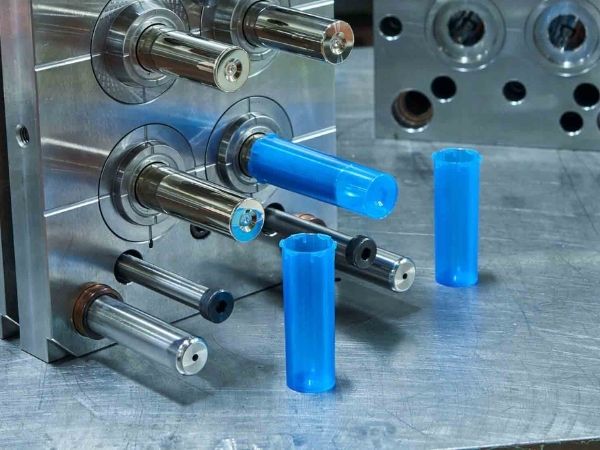
Common errors when blending additives
Ways to optimize the blending formula
Optimizing the blending plastic additives formula is not only about adjusting ratios - it also means controlling the entire process from raw material storage to production record-keeping.
Regarding additive addition sequence, the general principle is: add base resin first, followed by heat stabilizers and lubricants, and finally fillers and colorants. For PVC, heat stabilizers must be added right from the start to protect the polymer from degradation throughout the entire heating process. Powder-form additives must be stored in sealed containers away from moisture, as a 0.5% increase in moisture content in CaCO₃ powder can cause visible surface air bubbles and a clear reduction in surface gloss.
Regarding quality control (QC), the QC team should collect samples for mechanical and visual inspection at least every 2 hours during the first production shift when a new formula is applied. Any change in material batch requires a formula re-evaluation.
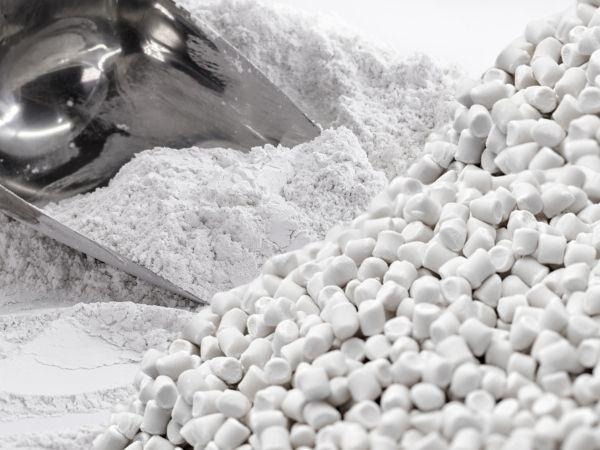
Blending formulation optimization solutions
Integrated additive solutions from APEX Vietnam
Building an optimized blending formula requires a combination of specialized polymer chemistry knowledge, practical machine operation experience, and the ability to control input additive quality. This is the core strength that APEX Vietnam brings to PP, PE, and PVC plastic manufacturers in Vietnam.
With an experienced technical team and a diverse additive ecosystem, APEX Vietnam partners with businesses throughout the entire process - from blending plastic additives formula assessment and blending ratio consultation to selecting the right additive system for each product line - to optimize production efficiency. Contact us today for detailed technical consultation and competitive pricing on the right additive system for your needs.
Article Classification
Recent Articles
- Plastic Injection Mold: Types, Structure, and Operating Principle
- Common problems with plastic pelletizing machines and troubleshooting methods
- Top 7 Reputable Plastic Additives Companies in Vietnam
- Blending Plastic Additives: Formulas for PVC, PP, and PE
- What is the difference between PE and PP packaging?