
BLOG
- Home
- Blog
- Plastic Polymer Composite Article
- What is the difference between PE and PP packaging?
What is the difference between PE and PP packaging?
October 02,2026
PP and PE packaging are packaging solutions that protect, preserve, and enhance the aesthetic value of products across all industries. However, many manufacturers still struggle to maintain high packaging quality while reducing input costs. With this in mind, APEX Vietnam helps you understand both packaging types, guides the selection process, and shares material formula optimization solutions that ensure packaging quality while keeping production costs under control.
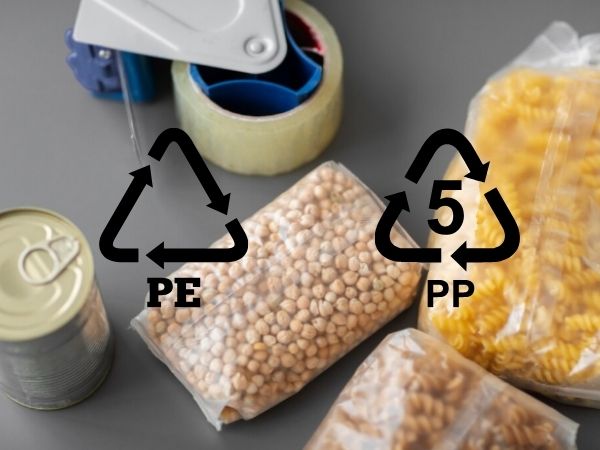
APEX Vietnam introduces and compares PP and PE packaging in detail
What are PP and P packaging?
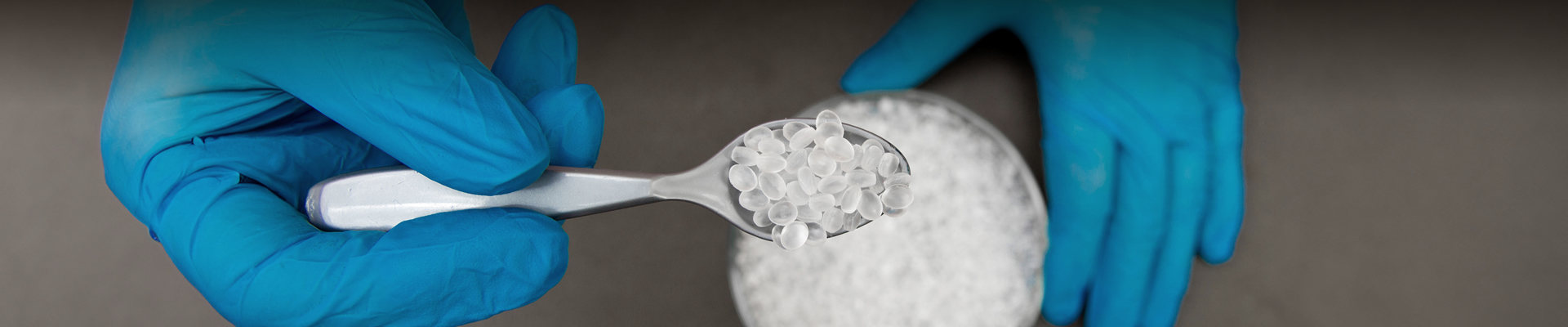
PP (Polypropylene) and PE (Polyethylene) are both widely used thermoplastics in industrial packaging, but their molecular structures and physical properties differ considerably.
What Is PP Packaging?
PP packaging is produced from Polypropylene resin pellets - a polymer with high rigidity, good heat resistance, and a naturally glossy surface. PP is commonly woven into fiber (woven PP) to create woven PP bags, a familiar packaging type used for cement, fertilizer, animal feed, and rice.
The standout characteristics of PP packaging are high tensile strength, the ability to bear heavy loads, and minimal deformation under normal ambient temperatures. This is why PP bags are typically chosen for heavy products that need to be stacked in multiple layers in warehouses.
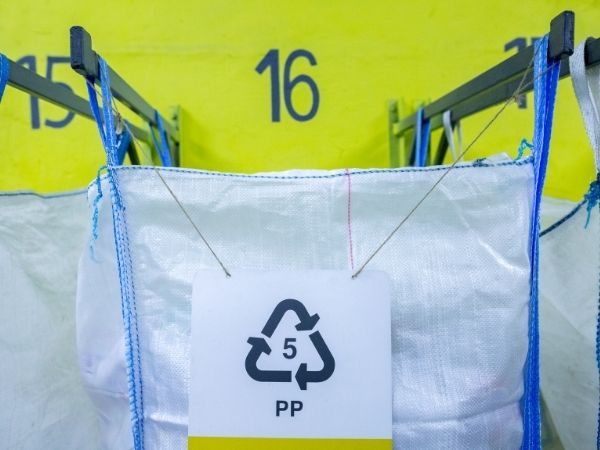
PP packaging
What is pe packaging?
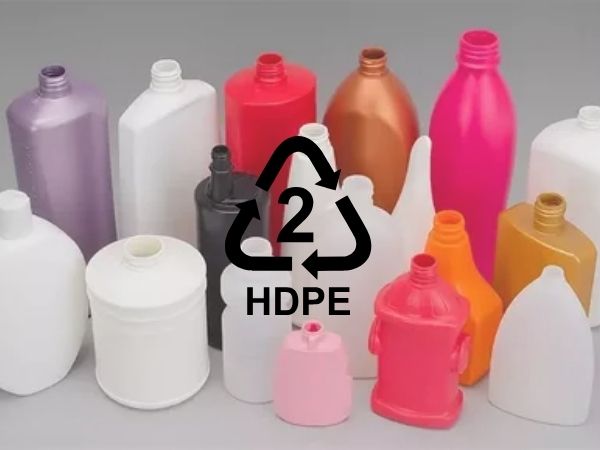
PE packaging is produced from Polyethylene resin pellets and is characterized by flexibility, high transparency, and outstanding water resistance. PE exists in several forms - LDPE (Low-Density Polyethylene), HDPE (High-Density Polyethylene), and LLDPE (Linear Low-Density Polyethylene) - each suited to a distinct group of applications.
PE packaging commonly appears as PE bags, PE shrink film, and food wrap film, and is favored in the food and consumer goods sectors for its airtight sealing and direct-contact safety properties.
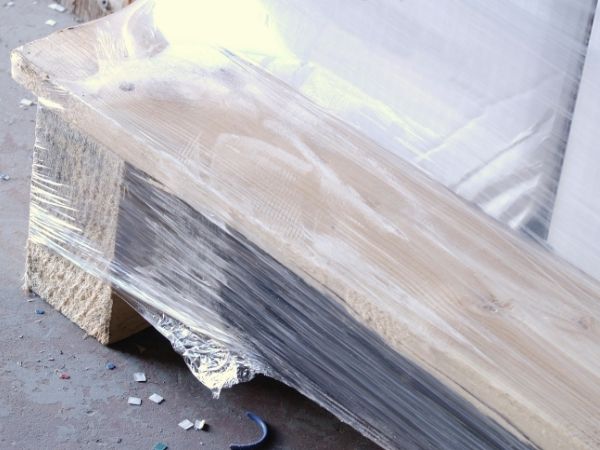
PE packaging
PP and PE packaging comparison
To make the differences easier to visualize, APEX Vietnam compares PP and PE packaging across the key criteria that businesses typically consider when selecting packaging materials:
|
|
|
|
|
|
|
|
|
|
|
|
|
|
|
|
|
|
|
|
|
|
|
|
In general, PP packaging favors load-bearing strength and rigidity, while PE packaging favors moisture resistance and flexibility. This distinction forms the basis for businesses to select the packaging type that suits their product characteristics.
PP or PE packaging: Which should you choose?
Practical packaging requirements demand flexibility in deciding between PP and PE. The following guidelines suggest how to accurately select PP and PE packaging for specific industry sectors.
Packaging selection for the food industry
The food industry requires high hygiene standards and long-term flavor preservation. Businesses should base their selection on the physical state of the food product:
- PP packaging: Businesses select PP film for hot-packed food products or dry foods requiring high gloss to showcase the contents - such as confectionery, dried nuts, and snacks.
- PE packaging: Plants use PE film for frozen food bags, fresh seafood, and meat wrap film, thanks to its sub-zero temperature resistance and waterproofing properties.
Packaging selection for the agricultural sector
Agricultural products are typically heavy and susceptible to harsh weather conditions. The right combination of PP and PE packaging provides maximum protection throughout the supply chain:
- PP packaging: Customers prefer woven PP bags for heavy agricultural products such as rice, corn, coffee, and animal feed, due to their superior load-bearing durability.
- PE packaging: Farmers use PE film as agricultural mulch film, pond liner for shrimp farming, or moisture-barrier liners inside woven sacks.
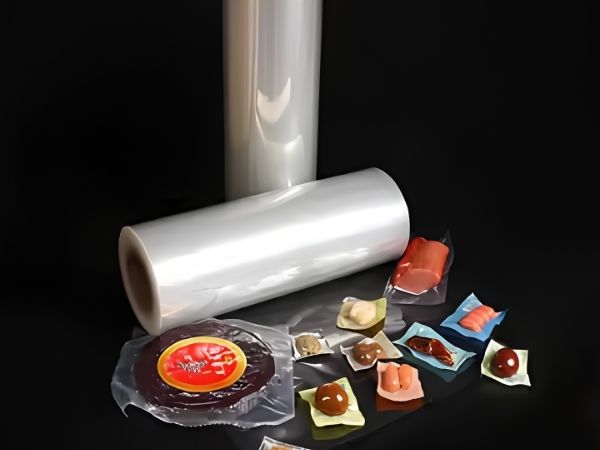
Choosing PP or PE packaging for agriculture and food
Packaging selection for the industrial sector
Industrial manufacturing requires packaging materials that withstand strong abrasion and very heavy loads. Both PP and PE hold important roles in industrial packaging lines:
- PP packaging: Engineers specify woven PP fabric for the production of Jumbo bags (FIBC) for exporting minerals, cement, and granular chemicals weighing several tons.
- PE packaging: Logistics teams use pallet stretch film made from LLDPE resin to secure cargo loads, prevent dust contamination, and protect surfaces from scratching during transport.
Packaging selection for the chemical industry
The corrosive and hazardous nature of chemicals demands packaging materials with high chemical resistance. Combining PP and PE packaging enhances workplace safety:
- PP packaging: Manufacturers use woven PP bags as the outer load-bearing shell to contain powdered or granular chemical volumes.
- PE packaging: Chemical companies equip the interior with heavy-duty PE liner bags to prevent liquid leakage and protect the outer shell from chemical corrosion.
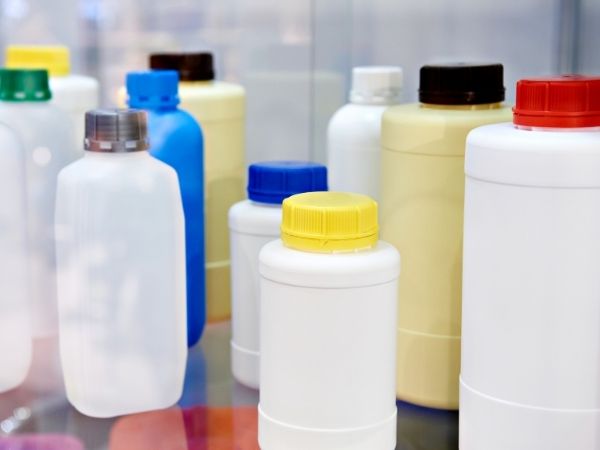
Choosing PP or PE packaging for the chemical industry
Packaging selection for the consumer goods sector
Fast-moving consumer goods place strong emphasis on user experience and surface aesthetics. Each material delivers distinct advantages for retail packaging design:
- PP packaging: Brands choose PP plastic for injection-molded rigid cups, reusable food containers, and cosmetic casings, owing to its premium-looking transparency.
- PE packaging: Supermarkets widely use PE plastic to produce T-shirt bags, die-cut handle bags, and soft cosmetic bottles.
Can PP and PE be combined in the same packaging?
In practice, many businesses do not choose just one material - they select a combined PP and PE packaging solution to leverage the mechanical durability of PP together with the moisture resistance of PE.
- PE-laminated PP bags are the most common type in the combined category: the woven PP fabric layer serves as the load-bearing frame, while a PE film layer is laminated onto the surface to provide better waterproofing and moisture resistance.
- Multi-layer composite bags combine an outer woven PP layer as the structural frame with an inner PE or composite film layer as the moisture barrier liner, sometimes supplemented with a Kraft paper layer to improve dust resistance and print quality.
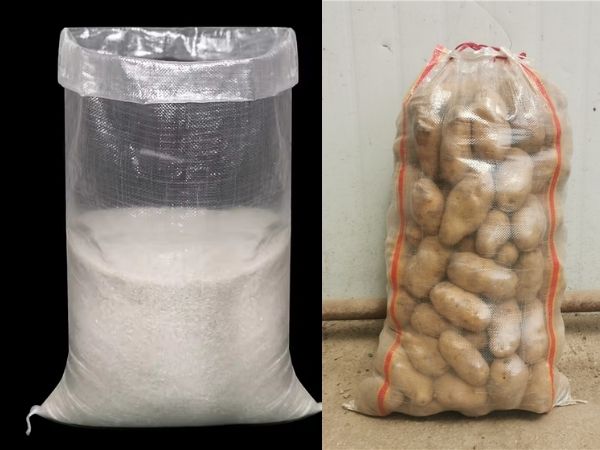
Packaging combining PP and PE
Combining PP and PE is worth considering when the packaged product is both heavy (requiring PP's high tensile strength) and moisture-sensitive or requires controlled storage conditions (requiring PE's waterproofing capability). This is typically the optimal choice for fertilizers, powdered chemicals, animal feed, and construction materials requiring extended warehousing.
How to optimize PP and PE packaging quality and costs?
Rather than relying solely on expensive virgin resin pellets, businesses can blend in additives and fillers at appropriate ratios to reduce costs while maintaining or even improving the mechanical performance of PP and PE packaging.
- Filler masterbatch is a concentrated blend of filler and carrier resin, incorporated into PP, PE packaging production formulas to reduce the amount of virgin resin required while maintaining essential mechanical properties.
- Talc powder is commonly added to PP resin formulas to improve rigidity, dimensional stability, and heat resistance. At the right blending ratio, talc helps packaging maintain the necessary mechanical strength while optimizing costs.
- CaCO₃ (Calcium Carbonate) powder is a widely used filler in the plastics industry due to its low cost and good compatibility with both PP and PE. CaCO₃ improves rigidity and surface quality, though the blending ratio must be carefully controlled to avoid reducing tensile strength and impact toughness.
- Integrated additive systems - including UV resistance additives, impact-enhancing additives, and processing aid additives - play an important role in ensuring PP, PE packaging maintains stable quality throughout its service life.
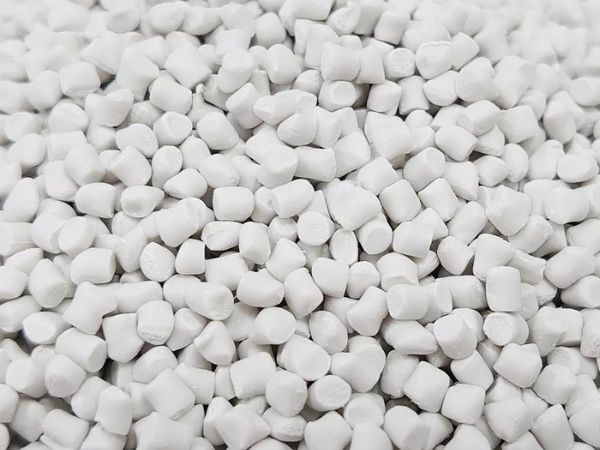
Optimizing PP, PE packaging quality and costs
Therefore, choosing between PP and PE packaging, or deciding to combine both, should be based on the actual product characteristics, storage conditions, and the company's costs. Beyond material selection, optimizing the material formulation with suitable fillers and additive systems helps businesses ensure packaging quality while effectively controlling long-term production costs. Contact APEX Vietnam today for advice on optimal blending solutions and preferential additive pricing!
Article Classification
Recent Articles
- Plastic Injection Mold: Types, Structure, and Operating Principle
- Common problems with plastic pelletizing machines and troubleshooting methods
- Top 7 Reputable Plastic Additives Companies in Vietnam
- Blending Plastic Additives: Formulas for PVC, PP, and PE
- What is the difference between PE and PP packaging?