
BLOG

- Home
- Blog
- Plastic Polymer Composite Article
- Ways to reduce plastic production costs while maintaining quality
Ways to reduce plastic production costs while maintaining quality
October 02,2026
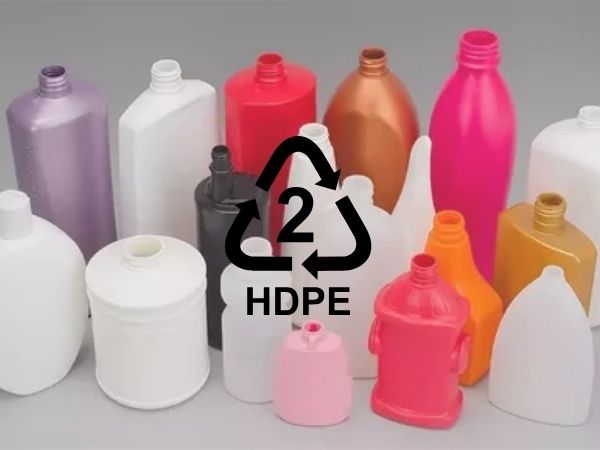
In an increasingly competitive polymer processing industry, production managers need a solid grasp of the most effective ways to reduce plastic production costs. These are essential methods for optimizing material flow and cutting input costs without compromising product quality. APEX Vietnam analyzes the root causes of rising costs and outlines 7 practical solutions currently applied by plastic manufacturers, plastic processing businesses, and OEM units.
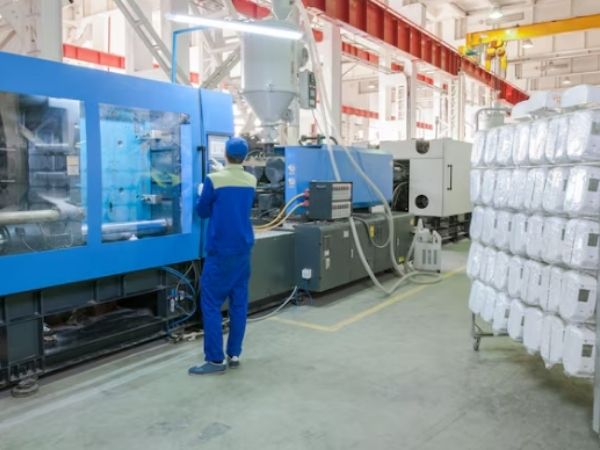
APEX Vietnam provides detailed ways to reduce plastic production costs
Factors driving plastic production costs higher
Before exploring ways to reduce plastic production costs, businesses need to clearly understand where the problem originates. Plastic production costs are not driven solely by virgin resin prices - they are shaped by multiple compounding factors:
- Fluctuating virgin resin prices (PP, PE, PVC, ABS, etc.): Crude oil prices and foreign exchange rates directly impact input material costs, making production expenses difficult to forecast.
- High defect rates: Mold defects, incorrect injection molding parameters, or unoptimized compounding formulas increase the proportion of faulty products, resulting in wasted materials and production time.
- High energy consumption: Injection molding machines and extruders operating continuously consume significant amounts of electricity, particularly when processing temperatures are not optimized.
- Labor and operating costs: Extended cycle times and high levels of manual handling increase per-unit labor costs.
- Lack of per-stage cost tracking: Many businesses calculate costs in aggregate without identifying which production stage consumes the most resources, leading to misdirected cost-cutting efforts.
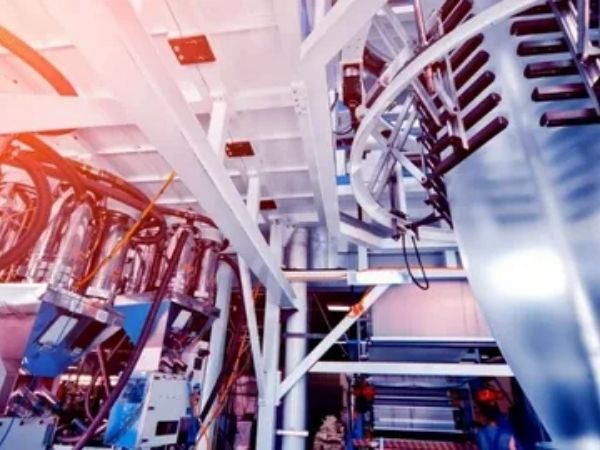
Factors that increase plastic production costs
Understanding these factors helps businesses recognize that to reduce plastic production costs do not mean arbitrarily lowering material quality - they require a synchronized optimization strategy across multiple dimensions.
7 ways to reduce plastic production costs while maintaining quality
Businesses can apply these ways to reduce plastic production costs across every stage - from raw material preparation to operational management. Implementing the following approaches correctly ensures a balance between economic efficiency and quality standards.
Optimize the material formula rather than simply reducing virgin resin
Many businesses default to reducing virgin resin content in their formula to cut costs, but doing so incorrectly leads to serious product quality deterioration.
A more sustainable approach is to optimize the material formula. Businesses should reassess all components and incorporate appropriate fillers and additives to maintain the necessary mechanical properties. This approach reduces the cost per kilogram of finished product while still meeting technical specifications.
Select the right blending ratio
The blending ratio between virgin resin, fillers, and additives plays a decisive role in both cost and quality. Each product type requires a different blending ratio to balance mechanical durability and cost-efficiency.
Using too high a proportion of low-cost fillers can reduce processability or cause product brittleness, while using too little fails to optimize costs. Businesses therefore need to test and adjust ratios based on the specific characteristics of each product line rather than applying a universal formula across all applications.
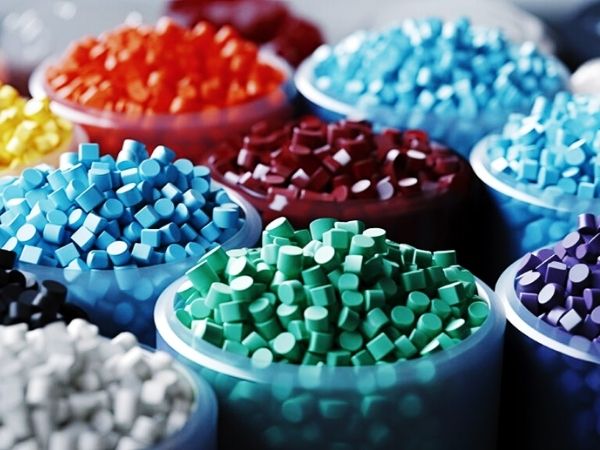
Optimizing the formulation and selecting the appropriate blending ratio
Reduce the defect rate during production
Every defective product wastes not only raw material but also the machine time, electricity, and labor already invested in producing it. One of the most effective ways to reduce plastic production costs is to lower the defect rate by tightly controlling injection molding parameters such as temperature, pressure, holding time, and cooling rate. Regular mold maintenance and operator training also help minimize production errors at the source.
Recycle scrap material correctly
Plastic scrap - including runners, sprues, and rejected parts - does not necessarily need to be discarded entirely. When recycled correctly, this material can be reintroduced into the production process to significantly reduce input costs. However, recycling must follow safe ratio guidelines and be limited to appropriate product types, as uncontrolled recycling can degrade the mechanical properties of the material with each reprocessing cycle.
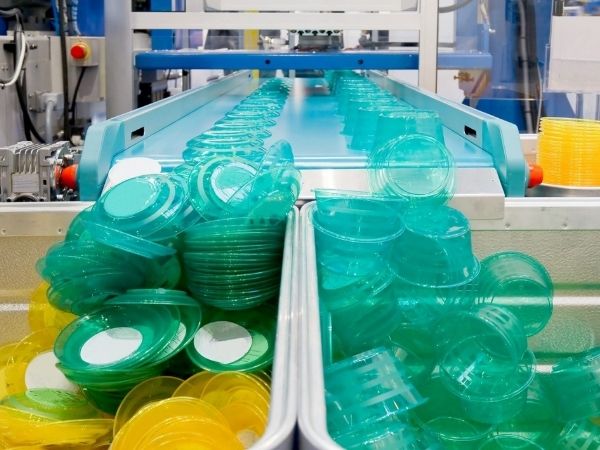
Reducing scrap rates and reusing plastic waste
Select additives that improve processing efficiency
Many processing aid additives improve the flow of molten resin, shorten injection cycle times, and reduce surface defects. Selecting the right additive matched to the base resin type (PP, PE, PVC, etc.) is one of the most effective ways to reduce plastic production costs across materials, energy, and labor - because smoother, more stable processing reduces waste at every stage.
Optimize energy consumption
Energy is one of the largest operating costs in plastic production, particularly for plants running high-capacity injection molding machines. Optimizing processing temperatures, reducing cycle times, and performing regular maintenance on heating systems significantly reduces electricity consumption per unit produced.
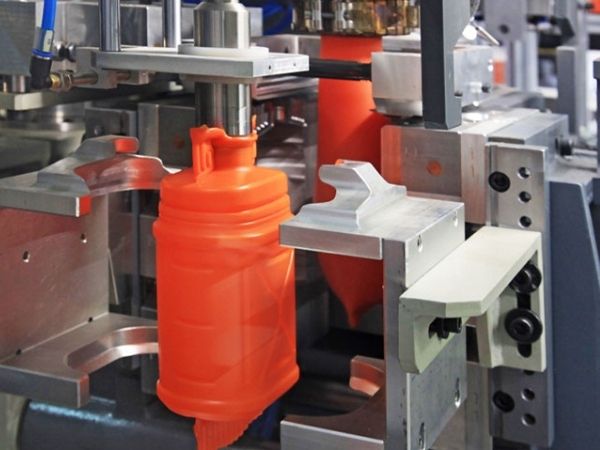
Using additives and optimizing each production stage
Track costs by production stage
When businesses track costs at the individual production stage level, they can quickly identify which stage is consuming the most resources - whether it is a high defect rate during molding or abnormal energy consumption during material drying - and make precise optimization decisions rather than broad, unfocused cost cuts.
Should virgin resin content be reduced to save costs?
Reducing virgin resin content is a viable direction, but it must be grounded in strict materials science. If businesses apply ways to reduce plastic production costs by reducing virgin resin without suitable substitute materials, the structure and quality of the finished product can be seriously compromised.
Products with insufficient virgin resin typically become brittle, crack easily under mechanical stress, and fail to meet testing standards. This increases the rate of product returns, causes financial losses, and damages the company's brand reputation. Businesses should therefore never reduce virgin resin content arbitrarily - it must be replaced with compounds capable of maintaining the structural strength of the plastic framework.
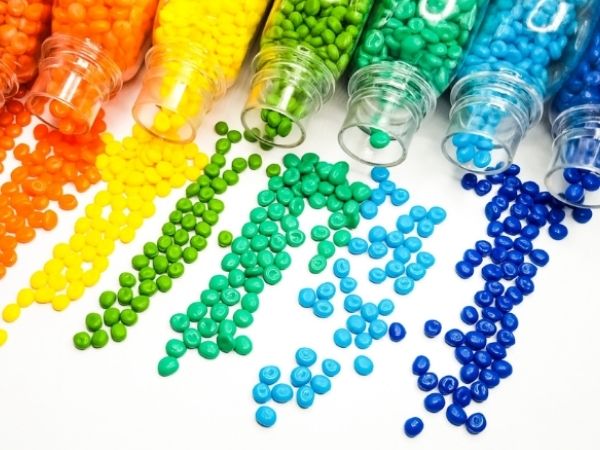
Reducing virgin resin requires careful additive calculations to maintain quality
Material optimization solutions for balancing cost and quality
Modern businesses are shifting toward formula optimization through fillers rather than purchasing low-cost resin pellets. Products such as Filler Masterbatch (Taical PE), calcium carbonate powder, talc powder, and specialized additive systems provide effective ways to reduce plastic production costs.
|
|
|
|
|
|
|
|
|
|
|
|
|
|
|
|
|
|
|
|
These material solutions provide practical ways to reduce plastic production costs per unit while maintaining strict mechanical performance requirements. Production lines can operate more smoothly without structural changes to existing machinery. APEX Vietnam is a specialized partner helping plastics businesses optimize costs, from formula assessment and blending ratio consultation to selecting suitable additive systems for each application.
Article Classification
Recent Articles
- Top 7 Reputable Plastic Additives Companies in Vietnam
- Blending Plastic Additives: Formulas for PVC, PP, and PE
- What is the difference between PE and PP packaging?
- Ways to increase hardness, toughness of PP and PE plastics in injection molding
- Ways to reduce plastic production costs while maintaining quality