
BLOG
- Home
- Blog
- Plastic Polymer Composite Article
- Comparing HDPE and LDPE Plastics: Which Is Better?
Comparing HDPE and LDPE Plastics: Which Is Better?
October 02,2026
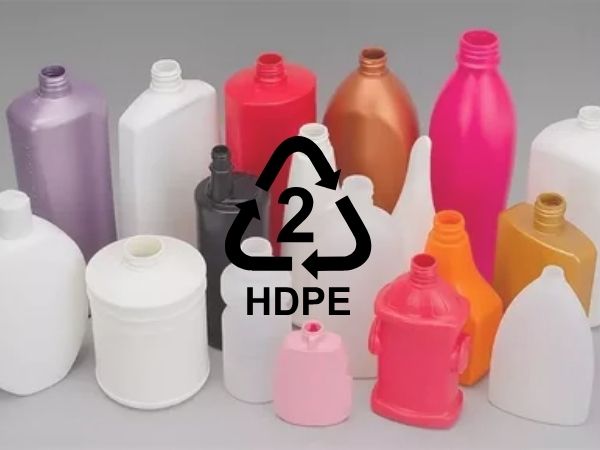
LDPE and HDPE pellets are core polymer materials used to manufacture thousands of flexible film products, pipes, and containers in everyday life. Understanding the differences between these two plastic types helps businesses select the right input material, reduce defect rates, and improve product durability. APEX Vietnam breaks down the nature of LDPE and HDPE, provides a detailed comparison, and offers practical guidance for choosing the right resin to optimize production performance.
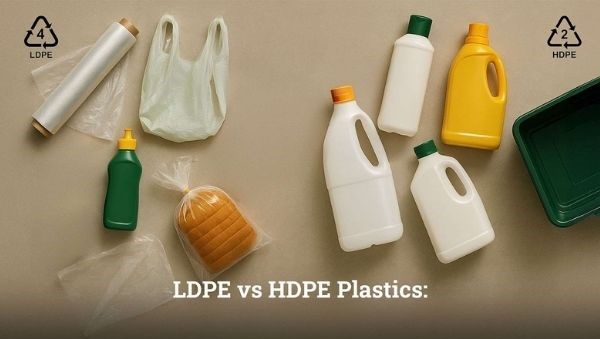
APEX Vietnam provides a detailed comparison of LDPE and HDPE plastics
What re HDPE and LDPE?
HDPE (High-Density Polyethylene) and LDPE (Low-Density Polyethylene) are both forms of polyethylene (PE) - a thermoplastic polymer produced through the polymerization of ethylene monomers. The fundamental difference between LDPE and HDPE lies in their molecular structure and density, which in turn drives a wide range of differences in rigidity, strength, transparency, and practical applications.
What is HDPE lastic?
HDPE is a high-density polyethylene resin with a density ranging from 0.941 to 0.965 g/cm³. Structurally, HDPE polymer chains have very little branching, allowing the molecular chains to pack tightly and uniformly. This structure gives HDPE the following characteristics:
- High mechanical strength with good load-bearing and impact resistance.
- Superior rigidity and tensile strength compared to LDPE.
- Better heat resistance, with a melting point of approximately 120–130°C.
- A surface appearance that tends toward opaque rather than transparent.
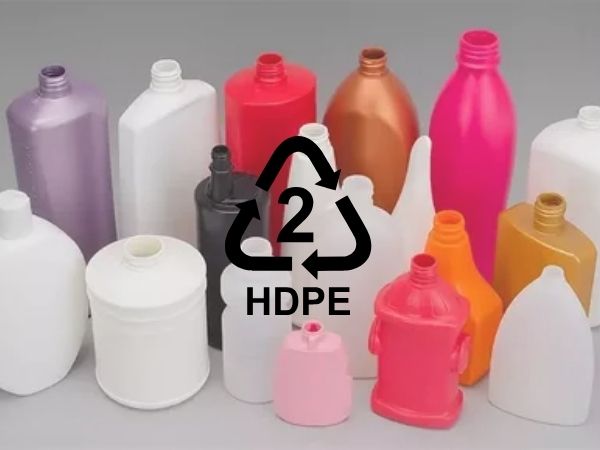
HDPE lastic
Thanks to these properties, HDPE is commonly used in the manufacture of chemical storage bottles, milk containers, water pipes (HDPE pipes), industrial drums, plastic crates, and rigid shopping bags. On packaging, HDPE is identified by recycling code No. 2.
What is LDPE plastic?
LDPE is a low-density polyethylene resin with a density ranging from 0.910 to 0.940 g/cm³. Unlike HDPE, LDPE molecular chains contain numerous long and short side branches that cause the polymer chains to pack more loosely. This gives LDPE its characteristic properties:
- High flexibility and extensibility.
- The transparency is significantly better than that of HDPE.
- Good impact resistance at low temperatures, though tensile strength is lower than HDPE.
- A lower melting point of approximately 105–115°C, making it easier to process at lower temperatures.
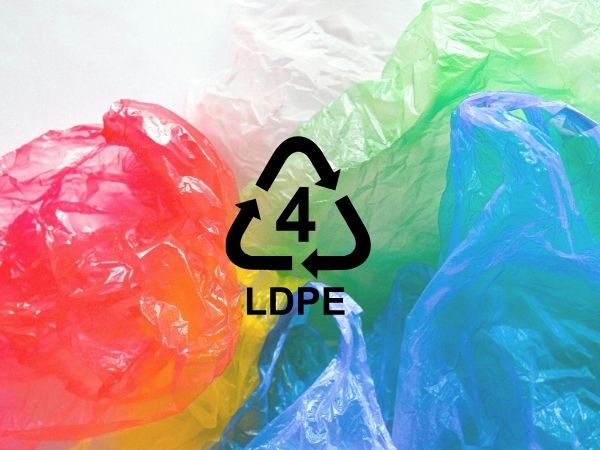
LDPE plastic
These properties make LDPE well suited for producing food wrap film, thin plastic bags, shrink film, frozen food bags, flexible tubing, and inner liners for composite packaging. LDPE is identified by recycling code No. 4.
Detailed comparison of HDPE and LDPE
The table below provides a direct comparison of the most important technical parameters between HDPE and LDPE for a clear and easy reference:
|
|
|
|
|
|
|
|
|
|
|
|
|
|
|
|
|
|
|
|
|
|
|
|
|
|
|
|
|
|
|
|
|
|
|
|
|
|
|
|
|
|
|
|
From this comparison, it is clear that HDPE and LDPE are not direct competitors - each serves a distinct group of applications based on the end product's requirements for rigidity, transparency, and load-bearing capacity.
Should You Choose HDPE or LDPE?
The choice between HDPE and LDPE depends entirely on the technical requirements of the product being manufactured. The following practical guidelines help inform the decision:
- Choose HDPE when the product requires high rigidity, load-bearing capacity, impact resistance, and chemical resistance. Examples include water pipes, oil containers, industrial storage tanks, crates, and plastic baskets.
- Choose LDPE when the product prioritizes flexibility, transparency, and extensibility. Examples include plastic bags, food wrap film, agricultural film, and soft flexible packaging.
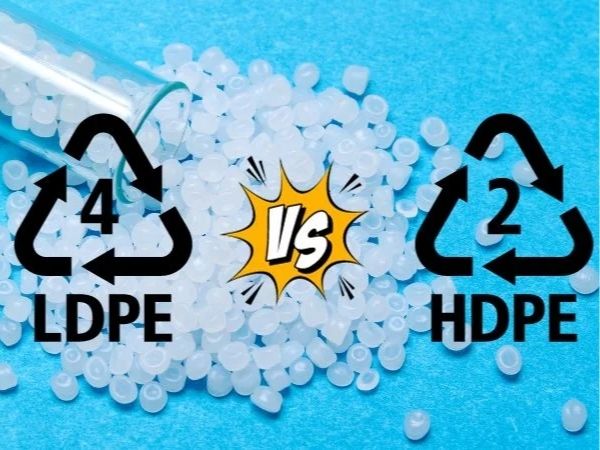
When to Choose HDPE or LDPE
In many cases, manufacturers combine both HDPE and LDPE layers within the same product (multilayer packaging) to take advantage of both materials: the HDPE layer provides rigidity and durability, while the LDPE layer delivers softness and heat-sealing capability.
Can additives improve the performance of HDPE and LDPE?
Although LDPE and HDPE have different inherent properties, both can be further optimized through the use of appropriate additives and input materials. Depending on the application, manufacturers can incorporate:
- Filler Masterbatch (Taical PE): Reduces the amount of virgin resin required, lowering production costs while maintaining product stability.
- Calcium Carbonate Powder (CaCO₃): Improves rigidity, enhances dimensional stability, and produces a smoother product surface.
- Talc Powder: Increases stiffness and heat resistance while improving processability - particularly valuable in applications requiring high dimensional precision.
Selecting the right additive not only reduces raw material costs but also improves processing efficiency, minimizes product defects, and increases throughput on extrusion, blown film, and injection molding lines.
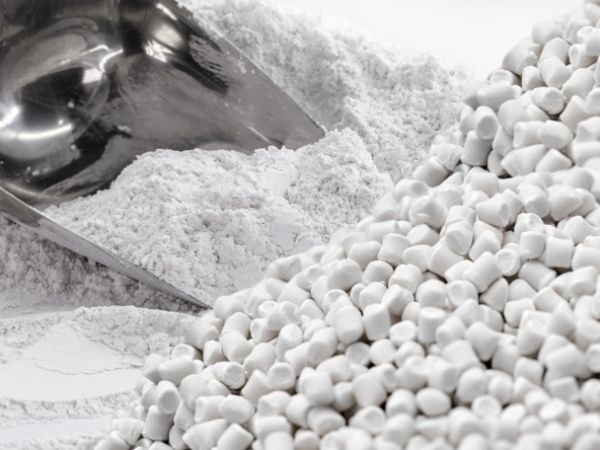
Improving performance with APEX Vietnam's additives
LDPE and HDPE each offer distinct advantages that play an important role in determining the quality and aesthetic performance of plastic products. Understanding their technical properties and using the right additive solutions can help businesses improve product durability while minimizing raw material costs. Contact Apex Vietnam today for expert advice from our engineering team and enjoy competitive prices on high-quality plastic resins and additives.