
BLOG

- Home
- Blog
- Plastic Polymer Composite Article
- What Are Medical Plastics? Types and Detailed Applications
What Are Medical Plastics? Types and Detailed Applications
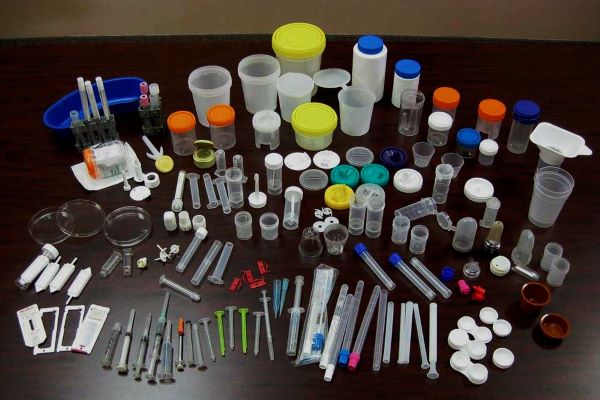
Medical plastics have been driving a revolution in the global healthcare industry, gradually replacing traditional materials such as metals and glass due to their flexibility, low cost, and high biocompatibility. From disposable syringes to complex implantable devices, medical plastics play an irreplaceable role in improving treatment quality and patient safety. This article provides the most in-depth and comprehensive insight into the world of medical polymers, strict standards, and development trends of this industry in Vietnam and internationally.
Medical plastics are a specialized group of polymers used to manufacture devices and instruments in the healthcare sector. Due to their direct contact with the human body, these plastics must meet strict safety and technical performance requirements. Some notable materials include PTFE (Teflon), PC/ABS, and other plastics that comply with the U.S. FDA standards.
The key features of medical plastics are high heat resistance, moisture resistance, chemical resistance, and complete non-toxicity. In particular, fluorine-containing plastics can withstand temperatures up to 250°C and have non-stick surfaces, ensuring safety, durability, and stability in demanding medical environments.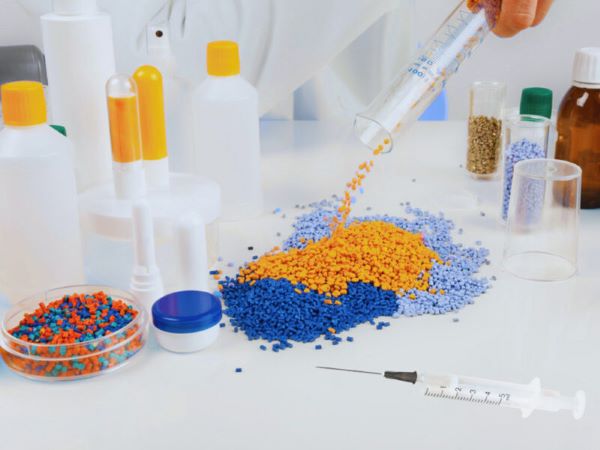
Concept of medical plastics
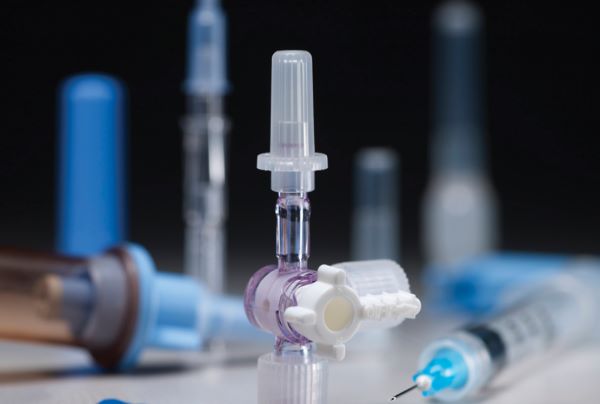
Overview of Trends and Demand in the Medical Plastics Market
Definition of medical plastics
When it comes to plastics, most of us are quite familiar. However, the concept of medical plastics is still unfamiliar to many, even though they are widely used in modern life.Medical plastics are a specialized group of polymers used to manufacture devices and instruments in the healthcare sector. Due to their direct contact with the human body, these plastics must meet strict safety and technical performance requirements. Some notable materials include PTFE (Teflon), PC/ABS, and other plastics that comply with the U.S. FDA standards.
The key features of medical plastics are high heat resistance, moisture resistance, chemical resistance, and complete non-toxicity. In particular, fluorine-containing plastics can withstand temperatures up to 250°C and have non-stick surfaces, ensuring safety, durability, and stability in demanding medical environments.
Concept of medical plastics
Overview of Trends and Market Demand for Medical Plastics
The global medical plastics market is experiencing strong growth. According to a report by Grand View Research, the market size is expected to achieve a compound annual growth rate (CAGR) of over 7% from now until 2030.Overview of Trends and Demand in the Medical Plastics Market
Growth-driving factors:

Advantages of medical plastics in the healthcare sector
We not only supply base resins but also focus on customized compounding solutions to precisely meet the technical requirements of each type of medical device. Our products adhere to strict quality control procedures, ensuring the highest consistency and safety standards.
APEX Vietnam’s key solutions for the healthcare industry:
Medical plastics play a backbone role in the development of modern medicine. From enhancing surgical efficiency to ensuring patient safety through disposable instruments, medical polymers have proven their irreplaceable value. Choosing the right materials and a reputable supplier is not only a business decision but also a responsibility toward public health.
If you are looking for optimal material solutions for medical projects, contact APEX Vietnam today. We specialize in manufacturing and supplying high-quality Masterbatch, Plastic Polymer Composites, PVC Compounds, and inorganic powders in Vietnam. With a commitment to innovation and meeting the most demanding customer requirements, APEX Vietnam is a trusted partner supporting your success in the healthcare industry.
- Aging population: There is an increasing demand for assistive devices, artificial joints, and at-home health monitoring equipment.
- Shift to disposable devices: To minimize the risk of cross-infection in hospitals, disposable plastic medical instruments are becoming the standard.
- Medical 3D printing technology: The combination of medical plastics and 3D printing enables the production of patient-specific customized devices, such as dentures and supportive bone frameworks.
- Trend of miniaturizing devices: Plastics allow for the manufacturing of ultra-small, precise components for minimally invasive surgery and medical robotics.
Advantages of medical plastics in healthcare
Why are widely used medical plastics gradually replacing metals and glass? The answer lies in their outstanding advantages:Advantages of medical plastics in the healthcare sector
- Excellent biocompatibility: Plastics can be engineered to avoid immune reactions, allowing implantable devices to remain in the body for extended periods.
- Chemical and heat resistance: Plastics such as PTFE and Teflon can withstand acidic and strong alkaline environments, as well as high temperatures during the sterilization of medical plastics.
- Durability and lightweight: Reduces the weight of handheld devices, enabling more precise handling by medical professionals and greater comfort for patients using prosthetic components.
- Design flexibility: Unlike metals, plastics can be molded into any complex shape through injection molding processes.
- Low cost: Mass-producing medical devices with plastics is significantly cheaper than using other materials, reducing financial burden on healthcare systems and patients.
- Infection prevention: Some modern plastics are integrated with antimicrobial agents to prevent biofilm formation on the surfaces of medical instruments.
Typical applications of medical plastics
The presence of plastics in hospitals is extremely diverse and can be categorized into the following main groups:Surgical instruments and equipment
Modern surgical instruments require a combination of rigidity and lightweight properties. Handles for scalpels and surgical clamps are often made from reinforced polymers to reduce fatigue for surgeons during lengthy operations. Additionally, plastics are used to manufacture instrument trays that can withstand multiple sterilization cycles.Materials for prosthetics and implantable devices
Thanks to their biocompatibility, medical plastics are used to manufacture artificial hip joints, heart valves, and even facial bone frameworks. Plastics such as UHMWPE (Ultra-High Molecular Weight Polyethylene) are preferred for their excellent wear resistance within body joints.Diagnostic and monitoring support devices
Housings for CT and MRI scanners, blood glucose meters, and wearable heart rate monitors all use PC/ABS or engineering plastics. These materials are characterized by their non-interference with electromagnetic signals and their ease of cleaning with strong disinfectant solutions.Disposable medical supplies
This segment represents the largest volume in the market. Disposable medical instruments include syringes, test tubes, gloves, and specimen bags. Using plastics ensures absolute sterility for each patient at the lowest possible cost.APEX Vietnam provides high-quality medical-grade plastic compounds
In the context of Vietnam’s healthcare industry striving to localize the supply chain, APEX Vietnam is proud to be a pioneer in providing specialized plastic raw material solutions.We not only supply base resins but also focus on customized compounding solutions to precisely meet the technical requirements of each type of medical device. Our products adhere to strict quality control procedures, ensuring the highest consistency and safety standards.
APEX Vietnam’s key solutions for the healthcare industry:
- Color masterbatch: Ensures color durability and is free of heavy metals, meeting food and medical contact standards.
- Engineering plastic compounds: Optimize properties such as hardness, chemical resistance, and heat resistance for PC/ABS, PP, and PE plastics.
- Additive solutions: Provide antibacterial and UV protection, while facilitating smoother processing.
Medical plastics play a backbone role in the development of modern medicine. From enhancing surgical efficiency to ensuring patient safety through disposable instruments, medical polymers have proven their irreplaceable value. Choosing the right materials and a reputable supplier is not only a business decision but also a responsibility toward public health.
If you are looking for optimal material solutions for medical projects, contact APEX Vietnam today. We specialize in manufacturing and supplying high-quality Masterbatch, Plastic Polymer Composites, PVC Compounds, and inorganic powders in Vietnam. With a commitment to innovation and meeting the most demanding customer requirements, APEX Vietnam is a trusted partner supporting your success in the healthcare industry.