
NEWS & EVENTS

- Home
- News
- Products Information
- What is ESG? Solutions to Achieve ESG Goals in the Plastics Industry
What is ESG? Solutions to Achieve ESG Goals in the Plastics Industry
March 10,2026
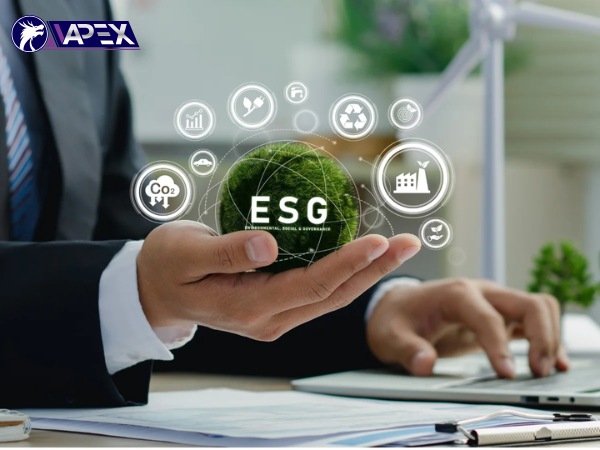
In a context where requirements related to environmental protection, social responsibility, and transparent governance are becoming increasingly stringent, ESG has emerged as an important benchmark for long-term competitiveness. For the plastics industry, a sector facing significant pressure regarding emissions and waste, understanding what is ESG is the first step toward building a sustainable transformation roadmap aligned with global trends.
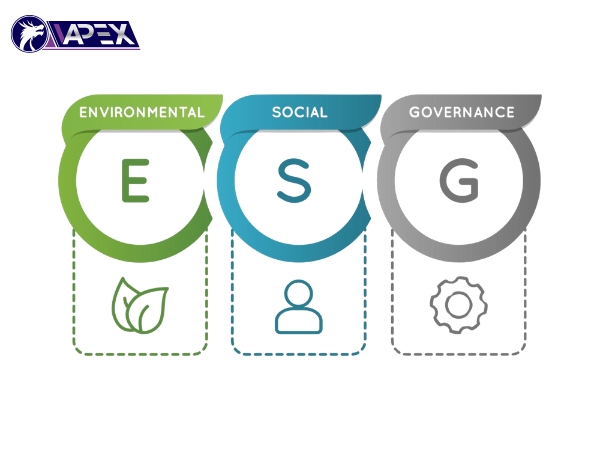
ESG stands for three factors: Environmental, Social, and Governance
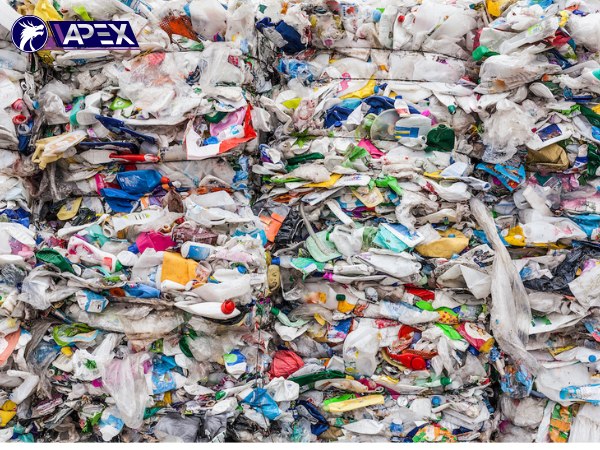
It is estimated that Vietnam generates around 1.8 million tons of plastic waste each year
What Is ESG?
ESG stands for three factors: Environmental, Social, and Governance. It is a set of criteria used to evaluate a company’s level of sustainable development as well as its responsibility toward the environment and society. Instead of focusing solely on financial indicators, ESG enables investors to gain a more comprehensive view of risks, governance capability, and the long-term growth potential of a business.ESG stands for three factors: Environmental, Social, and Governance
- Environmental: Focuses on how a company uses and protects natural resources. Key aspects typically assessed include carbon emissions, energy consumption, waste management, water usage, biodiversity conservation, and solutions to reduce impacts related to climate change.
- Social: The social criterion reflects how a company builds and maintains relationships with employees, customers, suppliers, and the community. Issues such as working conditions, employee rights, occupational health and safety, and similar factors are commonly considered.
- Governance: The governance factor evaluates a company’s management structure and internal control systems. It includes the composition of the board of directors, risk management policies, business ethics standards, transparency of information, and the level of corporate accountability.
Why Does the Plastics Industry Need to Focus on ESG?
The plastics industry is facing strong pressure to transform as environmental issues, regulatory requirements, and market standards become increasingly stringent. Implementing ESG (Environmental – Social – Governance) is no longer a symbolic choice but has become an essential condition for businesses to survive and develop sustainably.Growing Environmental Pressure
According to statistics, Vietnam generates around 1.8 million tons of plastic waste each year, yet only about 27% is recycled. The remaining waste is mostly landfilled or left in the environment, causing many serious consequences:- Urban drainage systems become clogged, increasing the risk of flooding.
- Ecosystems are threatened when wildlife and marine animals ingest or become trapped in plastic waste.
- Water sources and food supplies are contaminated as microplastics enter the food chain.
- Emissions generated during plastic production and disposal contribute to climate change.
It is estimated that Vietnam generates around 1.8 million tons of plastic waste each year
This situation requires plastics businesses to optimize production processes, increase recycling rates, develop environmentally friendly materials, and participate in a circular economy model if they want to meet ESG standards.
If these requirements are not met:
Innovate products and materials towards reducing emissions
Pressure from Society and the Market
Consumers are increasingly prioritizing products with “green” elements, recycled packaging, and companies that demonstrate clear social responsibility. At the same time, multinational corporations are also requiring suppliers to comply with ESG standards throughout the entire supply chain.If these requirements are not met:
- Businesses may be excluded from global supply chains.
- Access to major export markets such as the EU and the United States may become difficult.
- Trust from customers and investors may decline.
Legal Requirements and Transparent Governance
Vietnam has introduced several policies to promote sustainable development in the plastics sector, including:- Law on Environmental Protection 2020 (72/2020/QH14)
- Decree 08/2022/ND-CP on waste reduction and recycling
- The commitment to achieve Net Zero emissions by 2050
Solutions to Achieve ESG Goals for the Plastics Industry
To realize ESG commitments (Environmental – Social – Governance), the plastics industry needs a transformation roadmap that shifts from a linear economy model to a circular economy model, combining technical innovation with community responsibility.Assessment and Measurement Across the Entire Value Chain
Conduct a comprehensive Plastic Footprint Assessment to quantify the volume of virgin plastics, recycling rates, and emissions at each stage of the value chain. Standardizing this data serves as a “compass” that helps businesses establish specific reduction KPIs and transparently communicate their improvement roadmap with stakeholders.Reducing Waste Generation from the Design Stage
Instead of dealing with consequences afterward, the plastics industry should adopt a design for sustainability approach:- Optimize packaging structures to reduce material consumption.
- Reduce thickness while maintaining product performance.
- Prioritize materials that can be recycled, reused, or biodegraded.
- Limit the use of additives that are difficult to process during recycling.
Innovating Products and Materials to Reduce Emissions
In addition to researching and developing bioplastics or compostable plastics, companies can reduce their carbon footprint by improving material formulations. For example, using plastic compounds or filler masterbatch to partially replace virgin plastic with minerals such as CaCO₃ can:- Reduce the need for polymerization from fossil-based raw materials.
- Lower energy consumption during the production of new resin.
- Decrease CO₂ emission intensity per kilogram of finished product in suitable applications.
Innovate products and materials towards reducing emissions
However, any alternative solution should be evaluated through a Life Cycle Assessment (LCA) to ensure it does not reduce recyclability or create negative impacts at the end-of-life stage.
At APEX Vietnam, we focus on developing Plastic Compound and Filler Masterbatch product lines with the goal of balancing technical performance, cost efficiency, and environmental considerations.
Promoting Recycling and Implementing Extended Producer Responsibility
An effective ESG ecosystem must include collection and recycling mechanisms. Plastics companies should:- Collaborate with recycling facilities and sorting centers to increase post-consumer plastic recovery rates.
- Implement the Extended Producer Responsibility (EPR) model by proactively participating in packaging collection and treatment activities.
- Support and encourage consumers to sort waste at the source.
Strengthening Industry Collaboration and Transparent Governance
ESG cannot be implemented in isolation and requires industry-wide collaboration. Businesses can:- Join alliances such as the Vietnam Packaging Recycling Alliance to promote coordinated recycling solutions.
- Advocate policies that provide incentives for recycled products and businesses operating sustainable production models.
- Establish transparent governance systems and publish ESG reports on a regular basis.
APEX Vietnam Provides Sustainable Material Solutions for Businesses
As the plastics industry transitions toward ESG standards, optimizing material formulations has become one of the most practical solutions to reduce emission intensity and improve resource efficiency.At APEX Vietnam, we focus on developing Plastic Compound and Filler Masterbatch product lines with the goal of balancing technical performance, cost efficiency, and environmental considerations.
- Reducing carbon footprint: APEX’s plastic pellet production process is designed to consume significantly less energy compared to the polymerization of virgin plastic from petroleum-based sources.
- Lowering greenhouse gas emissions: Partially replacing polymers with natural minerals helps reduce greenhouse gas emissions, allowing the total CO₂ emissions per kilogram of output product to reach an optimized level.
- Economic efficiency aligned with ESG: APEX solutions help businesses comply with stringent environmental standards while optimizing raw material costs and production resources.