
NEWS & EVENTS

- Home
- News
- Products Information
- Applications of Plastic Pellets in Automotive Parts Manufacturing
Applications of Plastic Pellets in Automotive Parts Manufacturing
March 11,2026
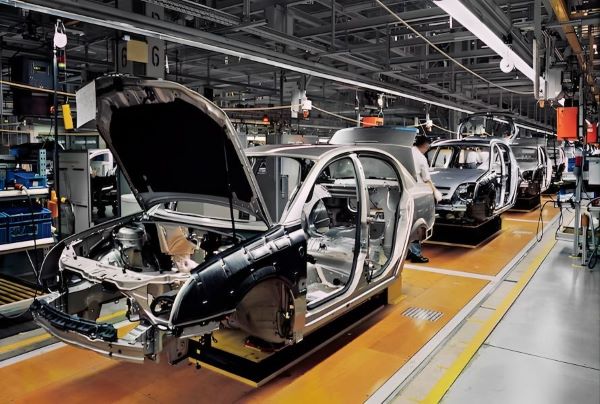
In the context of a constantly evolving automotive industry focused on optimizing performance, plastic pellets in automotive parts manufacturing are playing an increasingly crucial role. Thanks to their lightweight, durable, heat-resistant, and easy-to-process properties, engineering plastic pellets have become essential materials for producing many components such as dashboards, bumpers, lamp housings, and interior parts. The use of plastic pellets not only helps reduce vehicle weight and improve fuel efficiency but also enhances safety and aesthetics in modern automotive design.

Trends in the Use of Plastic Pellets in Automotive Parts Manufacturing
Trends in the use of plastic pellets in automotive parts manufacturing
The global automotive industry is undergoing a material revolution. According to reports from the Industry and Trade Magazine, an average modern car contains about 150–200 kg of plastic, accounting for 10–15% of the vehicle’s total weight, yet making up more than 50% of the volumetric mass of its components.Trends in the Use of Plastic Pellets in Automotive Parts Manufacturing
Shift from Metal to Plastic
The main reason behind the rapid growth of plastic pellets in automotive parts manufacturing is their ability to replace heavy metal components. The use of engineering plastics such as fiberglass-reinforced Polyamide (PA) or Polyphenylene Sulfide (PPS) allows engineers to design complex components that metals often struggle to achieve, while significantly reducing the overall weight.
Driven by Electric Vehicles
For electric vehicles, every kilogram of weight reduction directly extends the driving range after a single charge. Therefore, high-quality plastic pellets are not only used for interior parts but are also increasingly applied in critical components such as battery housings, cooling systems, and high-voltage electrical connectors.
Circular Economy and Recycled Plastics Trend
Environmental pressure and strict regulations from the EU are pushing automakers to increase the use of recycled plastic pellets in manufacturing processes. Today, recycled plastics for automotive components have achieved mechanical and physical stability comparable to virgin plastics, opening new opportunities for sustainable development.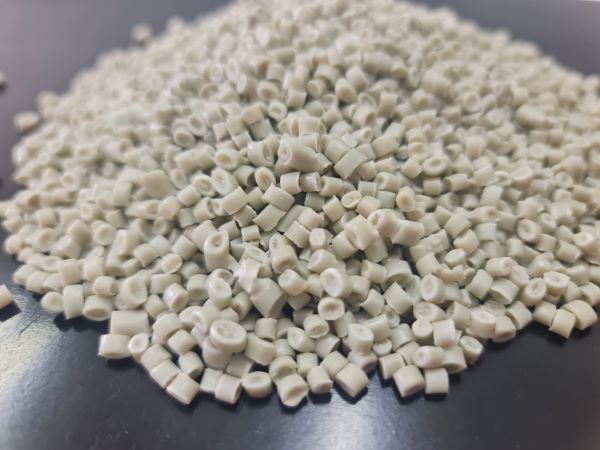
Advantages of Plastic Pellets in Component Manufacturing

Interior Components
APEX Vietnam is proud to be a pioneer in providing engineering plastic material solutions for the automotive industry. Established in 2019 and inheriting more than 50 years of experience from the Apex Group in Taiwan, we deeply understand the strict requirements of this market.
APEX Vietnam’s strengths in the automotive sector:
The rapid development of the modern automotive industry has created many opportunities for the application of plastic pellets in automotive parts manufacturing. With advantages such as lightweight properties, high durability, and excellent mechanical and heat resistance, these materials not only enhance operational performance but also optimize production costs and product design. In the future, plastic pellets used in automotive components are expected to continue advancing in technology and functionality to meet the increasingly demanding standards of the global market.
The main reason behind the rapid growth of plastic pellets in automotive parts manufacturing is their ability to replace heavy metal components. The use of engineering plastics such as fiberglass-reinforced Polyamide (PA) or Polyphenylene Sulfide (PPS) allows engineers to design complex components that metals often struggle to achieve, while significantly reducing the overall weight.
Driven by Electric Vehicles
For electric vehicles, every kilogram of weight reduction directly extends the driving range after a single charge. Therefore, high-quality plastic pellets are not only used for interior parts but are also increasingly applied in critical components such as battery housings, cooling systems, and high-voltage electrical connectors.
Circular Economy and Recycled Plastics Trend
Environmental pressure and strict regulations from the EU are pushing automakers to increase the use of recycled plastic pellets in manufacturing processes. Today, recycled plastics for automotive components have achieved mechanical and physical stability comparable to virgin plastics, opening new opportunities for sustainable development.
Outstanding advantages of plastic pellets in manufacturing components
Choosing plastic pellets in automotive parts manufacturing offers outstanding benefits that traditional materials such as steel or aluminum find difficult to compete with.Advantages of Plastic Pellets in Component Manufacturing
Enhanced Mechanical Strength
Modern automotive engineering plastics are designed to withstand harsh conditions.- Tensile strength and rigidity: By blending with inorganic fillers (such as ultra-fine limestone powder) or fiberglass, plastics can endure high pressure without deformation.
- Impact resistance: Plastics such as ABS or PC/ABS blends are widely used in bumpers and dashboards due to their excellent ability to absorb impact energy, helping protect passengers inside the vehicle.
Improved Resistance
The area under the hood is exposed to extremely high temperatures and frequent contact with engine oil, fuel, and coolant.- Heat resistance: Heat-resistant plastic pellets such as PA66 or PBT can operate continuously at temperatures above 150°C.
- Chemical resistance: PP plastic pellets for automotive applications are well known for their resistance to organic solvents and corrosive chemicals, helping components achieve a longer service life in harsh environments.
Cost Savings in Manufacturing
Plastic injection molding for automotive parts is a mass-production process that offers extremely high economic efficiency.- Reduced post-processing: Unlike metal components that require complex welding, grinding, or electrostatic painting, plastic parts can achieve the desired gloss and color directly from the mold by using high-quality Masterbatch (color plastic pellets).
- Integrated components: A single plastic injection mold can produce a complex component that replaces an assembly of 5–10 metal parts, thereby reducing labor and storage costs.
Easy customization to meet technical requirements
The versatility of plastic pellets is virtually limitless. Manufacturers can adjust formulations by adding various additives:- UV stabilizers to prevent interior components from fading.
- Flame-retardant (FR) additives for electrical systems.
- Plastic polymer composite fillers to adjust the shrinkage and stiffness of the final product.
Applications of Plastic Pellets in Different Groups of Automotive Components
In the modern automotive industry, plastic materials are widely used in interior parts, exterior components, and critical technical elements, contributing to improved performance, durability, and aesthetics of vehicles.Interior Components
The interior space of a vehicle requires luxury, safety, and comfort. Plastic automotive components dominate most of the surfaces that users come into contact with.Interior Components
- Dashboard: Usually made from PP or ABS blends, often combined with soft-touch coatings to enhance a premium feel.
- Door panels and seats: High-impact PP plastic is commonly used to withstand frequent usage.
- Air conditioning system: Air vents and air ducts are molded from lightweight, heat-resistant plastics.
Exterior Components
Exterior parts require materials that can withstand harsh weather conditions (sunlight, rain, UV rays) and minor physical impacts.- Bumpers: This is one of the most important applications of PP plastic pellets in automotive manufacturing. PP is modified with EPDM rubber to increase flexibility, allowing bumpers to absorb impacts without shattering.
- Lighting system: Polycarbonate (PC) is used for lamp housings due to its excellent light transmission and ability to withstand heat generated by the bulbs.
- Side mirrors and front grilles: These components are commonly made from ABS or ASA plastics, which provide smooth surfaces that are easy to paint or electroplate.
Technical and Structural Components
- This area requires the highest level of technical expertise in automotive industrial plastics.
- Engine compartment:
Glass fiber–reinforced PA66 is used for engine covers and intake manifolds. These materials must pass strict thermal aging tests. - Fuel system: POM or PA12 plastics are preferred due to their resistance to fuel and oils as well as their high sealing capability.
- Sealing systems (gaskets and seals): This is where recycled plastics for automotive gaskets are beginning to be applied to optimize costs while still maintaining elasticity.
APEX Vietnam – Optimal plastic pellet solutions for the automotive industry
As Vietnam’s supporting industry continues to grow strongly under the government’s development orientation, finding a reliable material supplier has become a top priority.APEX Vietnam is proud to be a pioneer in providing engineering plastic material solutions for the automotive industry. Established in 2019 and inheriting more than 50 years of experience from the Apex Group in Taiwan, we deeply understand the strict requirements of this market.
APEX Vietnam’s strengths in the automotive sector:
- Inorganic Powder & Ultra-fine Ground Calcium Carbonate: Helps improve stiffness, reduce costs, and control shrinkage in plastic automotive components.
- Plastic Polymer Composite: Engineering plastic compounds specifically designed according to customer requirements, meeting demanding mechanical and physical standards.
- PVC Compound: Applied in the production of seals, cable sheathing, and premium synthetic leather interior components.
The rapid development of the modern automotive industry has created many opportunities for the application of plastic pellets in automotive parts manufacturing. With advantages such as lightweight properties, high durability, and excellent mechanical and heat resistance, these materials not only enhance operational performance but also optimize production costs and product design. In the future, plastic pellets used in automotive components are expected to continue advancing in technology and functionality to meet the increasingly demanding standards of the global market.