
NEWS & EVENTS

- Home
- News
- Products Information
- What Is Paint Viscosity? Influencing Factors and Control Methods
What Is Paint Viscosity? Influencing Factors and Control Methods
January 28,2026

Paint viscosity is determined by various factors, including resin type, solid content, solvent type, and temperature. Paint viscosity directly affects application performance, adhesion, coverage, and the durability of the paint film. Therefore, controlling paint viscosity is one of the key factors in ensuring both the quality and aesthetic performance of painting projects.
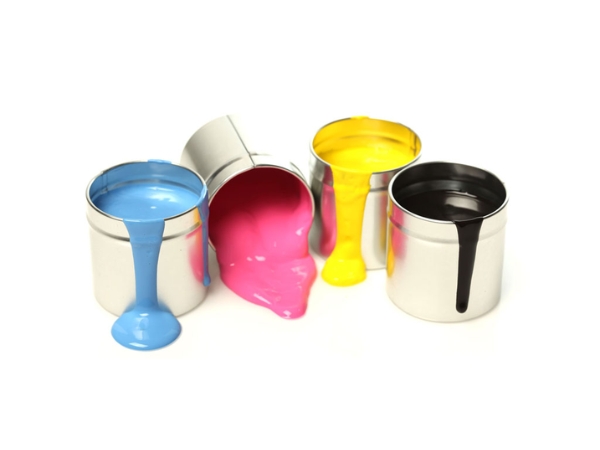
Simply put, paint viscosity refers to how thick or thin the paint is

Controlling paint viscosity helps optimize the amount of paint retained on the surface
Some common reference paint viscosity ranges used in practical production and application include:
The standard paint viscosity depends on the specific type of paint
What Is Paint Viscosity?
Paint viscosity refers to the resistance of paint to flow and deformation under shear force, reflecting its ability to flow, level, and form a uniform coating during application. Paint viscosity is commonly measured using a viscosity cup or a rotational viscometer, with results expressed in Krebs Units (KU) or Centipoise (cP).Simply put, paint viscosity refers to how thick or thin the paint is
Why Is It Necessary to Control Paint Viscosity?
Paint viscosity is an important rheological parameter that directly affects sprayability, rollability, leveling behavior, sag resistance, hiding power, and the surface quality of the paint film. Proper control of paint viscosity provides several key benefits:- Ease of application: Paint with suitable paint viscosity is easier to spray and roll, spreads evenly over the surface, and helps minimize sagging, roller marks, and surface inconsistency, thereby improving application efficiency.
- Stable paint film formation: Appropriate paint viscosity allows good wetting of the substrate, supports the formation of a continuous film, and reduces the risk of peeling or blistering after application.
- Effective coverage: Controlling paint viscosity helps optimize the amount of paint retained on the surface, enhances hiding power, and reduces paint consumption.
- Paint film quality and durability: Paint viscosity influences the applied film thickness, indirectly affecting the coating’s ability to protect the surface against environmental factors such as UV radiation, moisture, and chemicals.
- High aesthetic performance: Suitable paint viscosity results in a smooth, uniform surface finish, minimizes orange peel and brush marks, and enhances the gloss of the final coating.
- Cost optimization: Proper paint viscosity control reduces material waste, minimizes coating defects that require rework, and helps lower production and application costs.
Controlling paint viscosity helps optimize the amount of paint retained on the surface
Recommended Paint Viscosity Levels
The standard paint viscosity depends on various factors such as paint type, intended application, application method (spraying, rolling, or brushing), and environmental conditions. Each coating system has its own recommended paint viscosity range to ensure good workability and optimal paint film quality.Some common reference paint viscosity ranges used in practical production and application include:
- Interior water-based paints: Paint viscosity typically ranges from 80 to 120 KU (Krebs Unit), making them suitable for application by brush, roller, or low-pressure spray.
- Exterior water-based paints: These coatings require higher paint viscosity to improve sag resistance, usually in the range of 100 to 150 KU.
- Oil-based (solvent-based) paints: Paint viscosity is generally higher than that of water-based paints, commonly ranging from 120 to 180 KU, depending on the application method.
- Epoxy paints: Paint viscosity depends on the resin type, mixing ratio, and measurement conditions. It is typically expressed in centipoise (cP) and can range from several hundred to several thousand cP.
The standard paint viscosity depends on the specific type of paint
In Vietnam, TCVN standards mainly specify methods for determining paint viscosity rather than imposing fixed paint viscosity values for each paint type:
Paint viscosity depends on the polymer characteristics of the binder resin, including molecular weight, degree of branching, and physical form (emulsion or solvent-based). Resin systems with higher molecular weight or more complex branched structures, such as alkyd resins, typically result in higher paint viscosity compared to linear acrylic resin systems at the same solid content.
Solid content and fillers
As the pigment and filler content increases, the interaction density between particles within the paint system rises, leading to increased paint viscosity. Talc powder is commonly used in paint formulations to adjust paint viscosity and rheological properties, helping to reduce sagging while improving leveling and film uniformity after application.
When selecting talc powder suppliers, paint manufacturers should prioritize suppliers that can ensure consistent particle size distribution, high purity, and good dispersibility within paint formulations.
Applications of Talc Powder in the Paint Industry
- TCVN 9879:2013 (ASTM D562:2010): Specifies the method for determining paint viscosity in Krebs Units (KU) for paints and coating materials using a Stormer viscometer.
- TCVN 10238-1:2013 (ISO 2884-1:1999) and TCVN 10238-2:2013 (ISO 2884-2:2003): Specify methods for determining paint viscosity using rotational viscometers.
Factors Affecting Paint Viscosity
Paint viscosity is influenced by various factors related to chemical composition, environmental conditions, and the rheological state of the coating system. Specifically:Chemical Composition of Paint
Type of binder resinPaint viscosity depends on the polymer characteristics of the binder resin, including molecular weight, degree of branching, and physical form (emulsion or solvent-based). Resin systems with higher molecular weight or more complex branched structures, such as alkyd resins, typically result in higher paint viscosity compared to linear acrylic resin systems at the same solid content.
Solid content and fillers
As the pigment and filler content increases, the interaction density between particles within the paint system rises, leading to increased paint viscosity. Talc powder is commonly used in paint formulations to adjust paint viscosity and rheological properties, helping to reduce sagging while improving leveling and film uniformity after application.
When selecting talc powder suppliers, paint manufacturers should prioritize suppliers that can ensure consistent particle size distribution, high purity, and good dispersibility within paint formulations.
Applications of Talc Powder in the Paint Industry
APEX Vietnam is one of the suppliers of talc powder that meets these requirements effectively. The talc products distributed by APEX Vietnam have a controlled particle size range of 4.0–9.0 μm, allowing paint to flow more easily and disperse uniformly within the resin system. With a high whiteness of 92 – 96% and a low residue content below 0.3%, APEX Vietnam’s talc powder is suitable for use as a mineral filler and a rheology modifier in paint and coating systems.
Paint viscosity is one of the key rheological parameters that directly determines application performance, paint film quality, and practical efficiency in real-world use. Paint manufacturers should pay close attention to controlling paint viscosity from formulation design and raw material selection to storage conditions and actual application. If you need more information about talc powder for the paint industry, feel free to contact us today!
Temperature
At higher temperatures, increased thermal motion of molecules reduces internal resistance, leading to a decrease in paint viscosity. Conversely, lower temperatures limit molecular mobility, increase internal friction, and cause paint viscosity to rise, making application more difficult.Humidity
High ambient humidity can affect the dispersion state of emulsion systems, causing resin particles and fillers to absorb moisture. This can result in fluctuations in paint viscosity and negatively impact paint stability.Storage Conditions
Extended storage time, solvent evaporation, or storage under unsuitable temperatures (too high or too low) can alter the component ratios within the paint. This may lead to an increase or decrease in paint viscosity, and in some cases cause thickening, phase separation, or reduced workability.Processing Conditions and Shear Rate
Paint is a non-Newtonian fluid; therefore, paint viscosity varies with shear rate. During stirring, spraying, or rolling, paint viscosity typically decreases (pseudoplastic behavior). In a static state, paint viscosity tends to recover, helping to reduce sagging after application.Paint viscosity is one of the key rheological parameters that directly determines application performance, paint film quality, and practical efficiency in real-world use. Paint manufacturers should pay close attention to controlling paint viscosity from formulation design and raw material selection to storage conditions and actual application. If you need more information about talc powder for the paint industry, feel free to contact us today!