
NEWS & EVENTS

- Home
- News
- Products Information
- Understanding Chemical Resistance of Materials and Influencing Factors
Understanding Chemical Resistance of Materials and Influencing Factors
March 10,2026
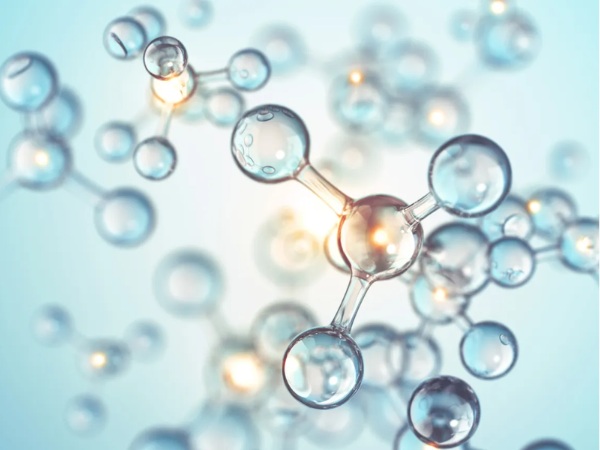
Chemical resistance of materials is an important criterion when selecting raw materials for manufacturing. In this article, APEX Vietnam analyzes the factors that influence material durability and the solutions to improve it, helping businesses enhance performance, ensure operational safety, and control long-term costs.
This factor plays a key role in determining the lifespan and stability of materials in industries such as manufacturing, construction, healthcare, and many others.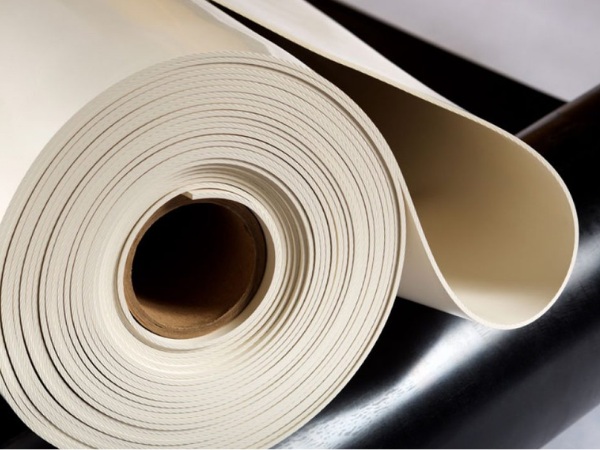
Chemical resistance determines the service life and stability of materials.
In metals, elements such as chromium (Cr), molybdenum (Mo), and nickel (Ni) can form a stable passive layer on the surface, limiting direct contact between the metal and corrosive environments. For example, stainless steel with high chromium content typically has better resistance to oxidation and corrosion than conventional carbon steel.
In contrast, materials with non-uniform composition, containing multiple separated phases or impurities, may form micro-electrochemical cells, which can increase the rate of localized corrosion.
For metals, grain size, grain boundaries, and phase distribution can influence the occurrence of intergranular corrosion. Microstructural defects such as gas pores, microcracks, or residual oxides are often the starting points for corrosion processes.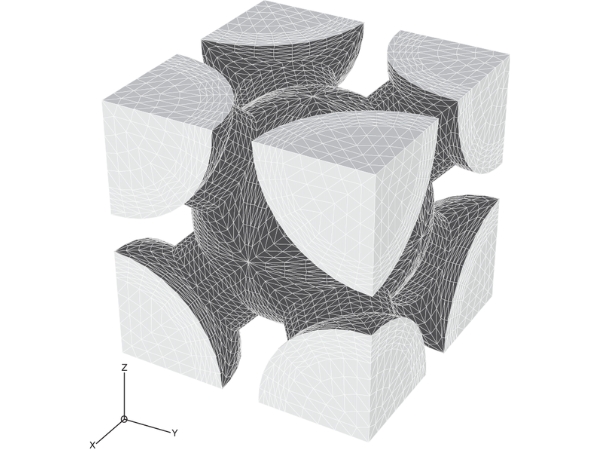
Crystal structure and the level of uniformity directly affect chemical resistance
For metals, high temperatures can accelerate surface oxidation. For polymers and rubber, elevated temperatures promote thermal aging, gradually reducing mechanical and chemical properties over time. However, the degree of impact depends on the specific material and environmental conditions.
Residual stress generated during processing, welding, or forming may lead to stress corrosion cracking. Surface treatments, protective coatings, or controlling internal stress can significantly improve the chemical resistance of materials.
Measures to improve the chemical resistance of inorganic materials include: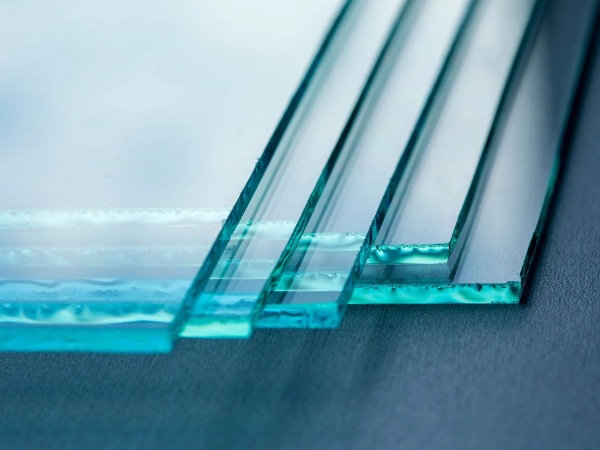
Inorganic materials originate from minerals and do not contain carbon–hydrogen components
Typical characteristics of organic materials include low density, high flexibility, easy processing, and the ability to adjust properties by modifying molecular structures or additives. However, their chemical resistance of materials strongly depends on the type of polymer and the surrounding environment.
Solutions to improve the chemical resistance of organic materials include:
Organic materials are substances whose main components contain carbon
Thanks to the reinforcement effect and physical barrier mechanism, polymer–mineral composite systems can reduce the rate at which chemicals permeate into the material. As a result, the chemical resistance of the material is enhanced, helping extend the service life of products operating in harsh environments. At the same time, using filler masterbatch helps optimize raw material costs while still maintaining the required mechanical properties and durability.
During production, surface-treated CaCO₃ grades are used to improve dispersion and enhance interfacial bonding between the mineral phase and the polymer matrix. This creates a more uniform and stable composite structure, contributing to better overall performance.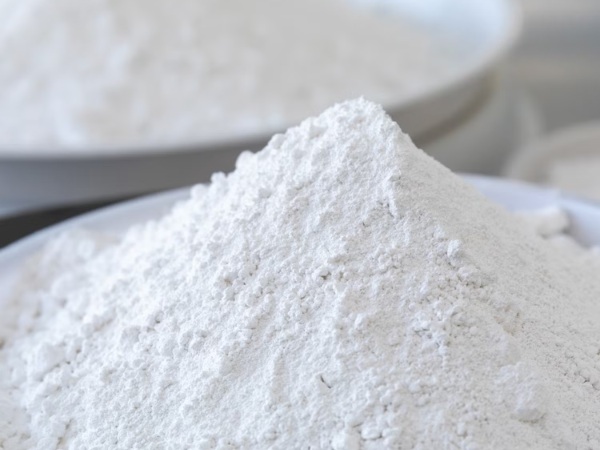
Application of additives in optimizing the chemical resistance of plastic products
What Is Chemical Resistance of Materials?
Chemical resistance of materials refers to the ability of a material to withstand the effects and degradation caused by chemical agents such as acids, bases, salts, solvents, or oxidizing environments, while still maintaining its structure and mechanical properties within acceptable limits.This factor plays a key role in determining the lifespan and stability of materials in industries such as manufacturing, construction, healthcare, and many others.
Chemical resistance determines the service life and stability of materials.
Factors Affecting the Chemical Resistance of Materials
The chemical resistance of materials is influenced by various factors, including the following:Nature and Chemical Composition
Chemical composition is the fundamental factor determining a material’s corrosion resistance.In metals, elements such as chromium (Cr), molybdenum (Mo), and nickel (Ni) can form a stable passive layer on the surface, limiting direct contact between the metal and corrosive environments. For example, stainless steel with high chromium content typically has better resistance to oxidation and corrosion than conventional carbon steel.
In contrast, materials with non-uniform composition, containing multiple separated phases or impurities, may form micro-electrochemical cells, which can increase the rate of localized corrosion.
Microstructure of the Material
The crystal structure, uniformity level, and phase distribution within a material directly affect its chemical resistance. For polymers, a higher degree of crystallinity reduces the permeability of solvents and chemicals, thereby improving chemical resistance compared to amorphous structures.For metals, grain size, grain boundaries, and phase distribution can influence the occurrence of intergranular corrosion. Microstructural defects such as gas pores, microcracks, or residual oxides are often the starting points for corrosion processes.
Crystal structure and the level of uniformity directly affect chemical resistance
Temperature
Temperature has a significant influence on the rate of chemical reactions according to kinetic principles. As temperature increases, the rate of corrosion and oxidation generally rises considerably.For metals, high temperatures can accelerate surface oxidation. For polymers and rubber, elevated temperatures promote thermal aging, gradually reducing mechanical and chemical properties over time. However, the degree of impact depends on the specific material and environmental conditions.
Environmental Conditions (Corrosive Agents)
The characteristics and concentration of the chemical environment directly determine the degree of degradation in chemical resistance of materials. Important factors include:- Concentration of acids, bases, and salts
- pH value of the environment
- Dissolved oxygen content
- Humidity and the presence of water
- Industrial gases such as SO₂, CO₂, or chloride ions (Cl⁻)
Surface Condition and Residual Stress
The material surface is where corrosion processes typically begin. Rough surfaces, scratches, or defects increase the contact area and create stress concentration points.Residual stress generated during processing, welding, or forming may lead to stress corrosion cracking. Surface treatments, protective coatings, or controlling internal stress can significantly improve the chemical resistance of materials.
Combined Effects of Weather and Natural Environment
In real conditions, materials are often exposed to multiple factors simultaneously, such as UV radiation, high humidity, temperature fluctuations, and air pollution. Therefore, when evaluating the chemical resistance of materials in industrial environments, it is important to consider the combined effects of these factors rather than analyzing each factor separately.Methods to Improve the Chemical Resistance of Basic Material Types
Each type of material has its own structure, composition, and reaction mechanisms when exposed to corrosive environments. Therefore, improvement solutions must be selected accordingly. Below are common optimization approaches for inorganic materials and organic materials.Inorganic Materials
Inorganic materials are composed of compounds of metals or nonmetals with stable ionic or covalent bonds. This group includes ceramics, glass, cement, and concrete. Typical characteristics of inorganic materials include high hardness, good heat resistance, and strong chemical resistance in many acidic, alkaline, and oxidizing environments.Measures to improve the chemical resistance of inorganic materials include:
- Increasing firing temperature and duration to reduce porosity and improve the density and compactness of the material.
- Adjusting chemical composition, selecting high-durability oxide ceramic systems such as Al₂O₃ or ZrO₂.
- Applying glaze, oxide coatings, or ceramic coatings to create a protective barrier between the material and the chemical environment.
Inorganic materials originate from minerals and do not contain carbon–hydrogen components
Organic Materials
Organic materials used in engineering are mainly polymers whose molecular structures contain carbon, formed from hydrocarbon chains or organic functional groups. This group includes thermoplastics, thermosetting plastics, rubber, wood, and natural biological materials.Typical characteristics of organic materials include low density, high flexibility, easy processing, and the ability to adjust properties by modifying molecular structures or additives. However, their chemical resistance of materials strongly depends on the type of polymer and the surrounding environment.
Solutions to improve the chemical resistance of organic materials include:
- Surface modification and treatment, such as mild oxidation methods, plasma treatment, or grafting techniques.
- Addition of additives, where additives such as ultra-fine calcium carbonate powder (CaCO₃) or Taical particles can slow down polymer aging and degradation when exposed to heat and chemicals.
- Protective coatings, applying specialized coating layers to reduce direct contact between organic materials and corrosive environments, thereby extending product lifespan.
Organic materials are substances whose main components contain carbon
Application of Additives in Optimizing the Chemical Resistance of Plastic Products
Ultra-fine calcium carbonate powder (CaCO₃) and filler masterbatch (Taical) from APEX Vietnam are mineral additives widely used in industrial polymer systems. When uniformly dispersed within the plastic matrix, these mineral particles help increase the elastic modulus, improve thermal stability, and reduce shrinkage during processing.Thanks to the reinforcement effect and physical barrier mechanism, polymer–mineral composite systems can reduce the rate at which chemicals permeate into the material. As a result, the chemical resistance of the material is enhanced, helping extend the service life of products operating in harsh environments. At the same time, using filler masterbatch helps optimize raw material costs while still maintaining the required mechanical properties and durability.
During production, surface-treated CaCO₃ grades are used to improve dispersion and enhance interfacial bonding between the mineral phase and the polymer matrix. This creates a more uniform and stable composite structure, contributing to better overall performance.
Application of additives in optimizing the chemical resistance of plastic products
Why Choose Additives from APEX Vietnam?
As the plastics industry increasingly demands higher material performance and cost optimization, selecting a reliable additive supplier plays a crucial role in ensuring consistent product quality. Additives from APEX Vietnam are trusted by many manufacturers thanks to the following advantages:- Stable raw material quality: CaCO₃ with high purity, uniform fineness, and well-controlled impurities helps maintain production consistency.
- Effective surface treatment technology: Mineral particles are properly surface-treated to enhance dispersion and improve compatibility with polymer matrices such as PP, PE, and PVC.
- Production cost optimization: Reduces the proportion of virgin plastic while maintaining the required mechanical properties and improving economic efficiency.
- Improved product stability: Increases stiffness, reduces shrinkage, enhances dimensional stability, and helps extend product service life.
- Professional technical support: The technical team provides assistance with formulation design, sample testing, and product adjustment based on specific application requirements.