
NEWS & EVENTS

- Home
- News
- Products Information
- What are plastic fillers? Why are they indispensable in plastic production?
What are plastic fillers? Why are they indispensable in plastic production?
May 30,2026
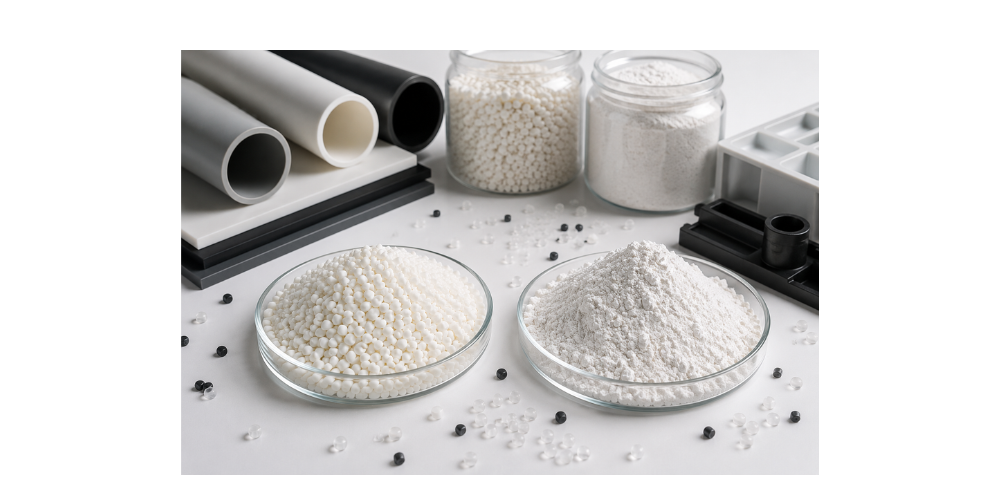
In the modern plastics industry, plastic fillers are one of the key components that contribute to optimizing production costs and improving product performance. Although not the primary raw material for plastic products, fillers play an indispensable role in many applications, from packaging and building materials to household goods and industrial components.
What are plastic fillers?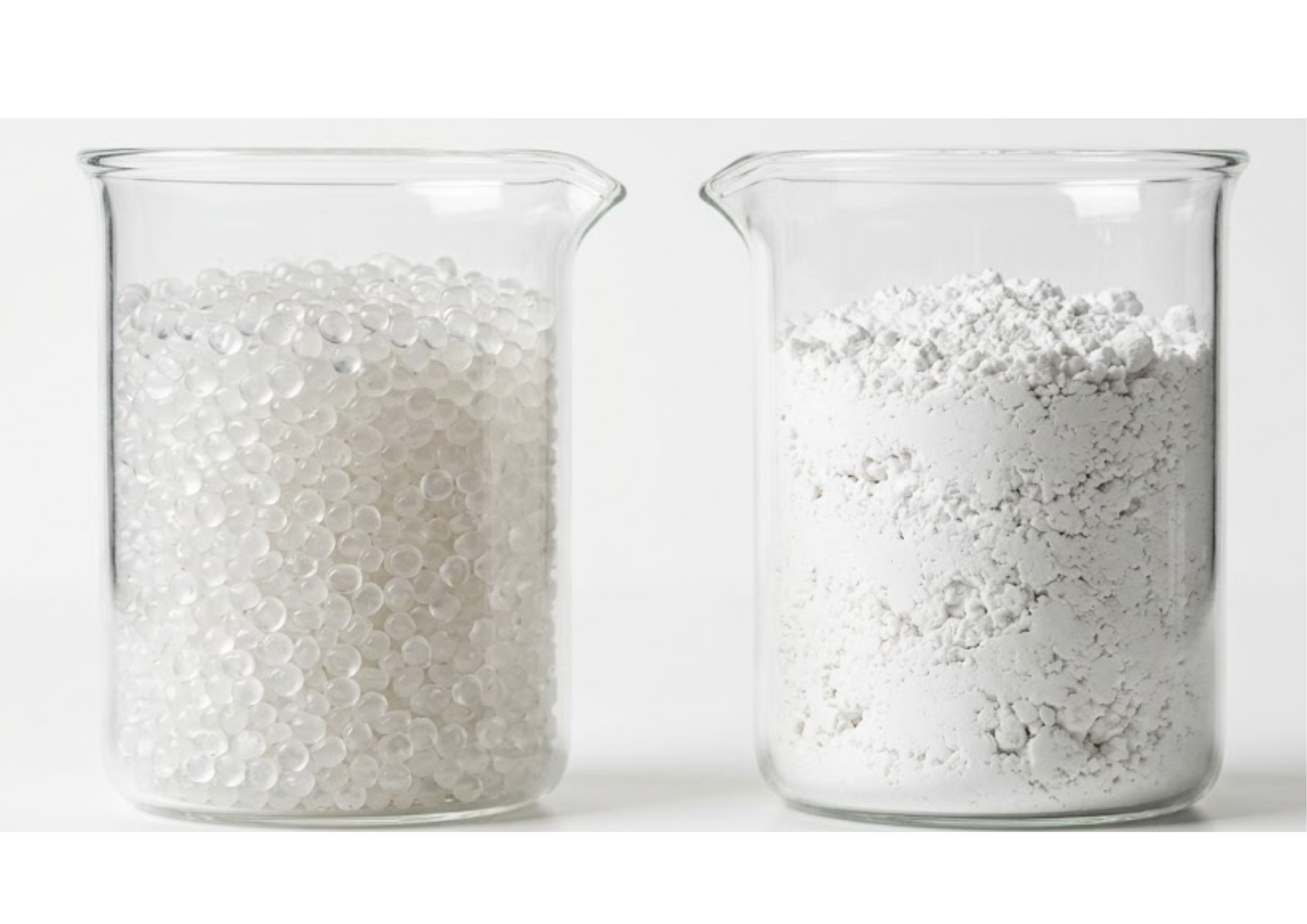 Plastic fillers are materials added to the plastic base during the manufacturing process to improve certain product properties or reduce raw material costs. Common fillers currently include calcium carbonate (CaCO₃), talc, kaolin, barite, and several other minerals.
Depending on the intended use, fillers can be blended with plastics such as PP, PE, PVC, ABS, or other engineering plastics to create products with properties suitable for production requirements.
The role of fillers in plastic production.png) Helps optimize production costs.
Helps optimize production costs.
One of the biggest reasons fillers are widely used is their ability to reduce product costs. Replacing a portion of virgin plastic with fillers helps businesses significantly save on raw material costs while still ensuring the required output quality. In particular, calcium carbonate (CaCO₃) powder is a commonly used filler due to its abundant supply and competitive price.
Improve mechanical properties
In addition to helping reduce costs, many types of fillers also help improve the stiffness, impact resistance, or heat resistance of plastic products. For example, talc is often used to increase stiffness and dimensional stability in injection-molded products or engineering components.
As a result, the final product can better meet the requirements for durability and lifespan.
Adjust properties as required.
Besides reducing production costs, fillers play a crucial role in adjusting product properties according to the specific application industry. They can improve printability on packaging surfaces, resulting in better ink adhesion and sharper images. For the plastic bag manufacturing industry, fillers contribute to improved bag sealing, creating strong seals and reducing the risk of tearing or fraying during use.
Why are plastic fillers almost indispensable?
In a context where businesses are constantly seeking to optimize costs while maintaining product quality, plastic fillers have become an effective and economical solution. Not only do they help reduce raw material costs, but fillers also offer numerous advantages in terms of technical aspects, processing, and aesthetics.
Today, most plastic products on the market use a certain proportion of fillers to achieve a balance between production efficiency and finished product quality.
Final perspective
Plastic fillers are not simply cost-saving components; they are crucial factors directly impacting product performance and quality. Choosing the right type of filler and the appropriate mixing ratio will help businesses optimize their production processes, enhance competitiveness, and create plastic products that effectively meet market demands.
What are plastic fillers?
Depending on the intended use, fillers can be blended with plastics such as PP, PE, PVC, ABS, or other engineering plastics to create products with properties suitable for production requirements.
The role of fillers in plastic production
One of the biggest reasons fillers are widely used is their ability to reduce product costs. Replacing a portion of virgin plastic with fillers helps businesses significantly save on raw material costs while still ensuring the required output quality. In particular, calcium carbonate (CaCO₃) powder is a commonly used filler due to its abundant supply and competitive price.
Improve mechanical properties
In addition to helping reduce costs, many types of fillers also help improve the stiffness, impact resistance, or heat resistance of plastic products. For example, talc is often used to increase stiffness and dimensional stability in injection-molded products or engineering components.
As a result, the final product can better meet the requirements for durability and lifespan.
Adjust properties as required.
Besides reducing production costs, fillers play a crucial role in adjusting product properties according to the specific application industry. They can improve printability on packaging surfaces, resulting in better ink adhesion and sharper images. For the plastic bag manufacturing industry, fillers contribute to improved bag sealing, creating strong seals and reducing the risk of tearing or fraying during use.
Why are plastic fillers almost indispensable?
In a context where businesses are constantly seeking to optimize costs while maintaining product quality, plastic fillers have become an effective and economical solution. Not only do they help reduce raw material costs, but fillers also offer numerous advantages in terms of technical aspects, processing, and aesthetics.
Today, most plastic products on the market use a certain proportion of fillers to achieve a balance between production efficiency and finished product quality.
Final perspective
Plastic fillers are not simply cost-saving components; they are crucial factors directly impacting product performance and quality. Choosing the right type of filler and the appropriate mixing ratio will help businesses optimize their production processes, enhance competitiveness, and create plastic products that effectively meet market demands.