
NEWS & EVENTS

- Home
- News
- Products Information
- What formula determines the quality of plastic products?
What formula determines the quality of plastic products?
April 18,2026
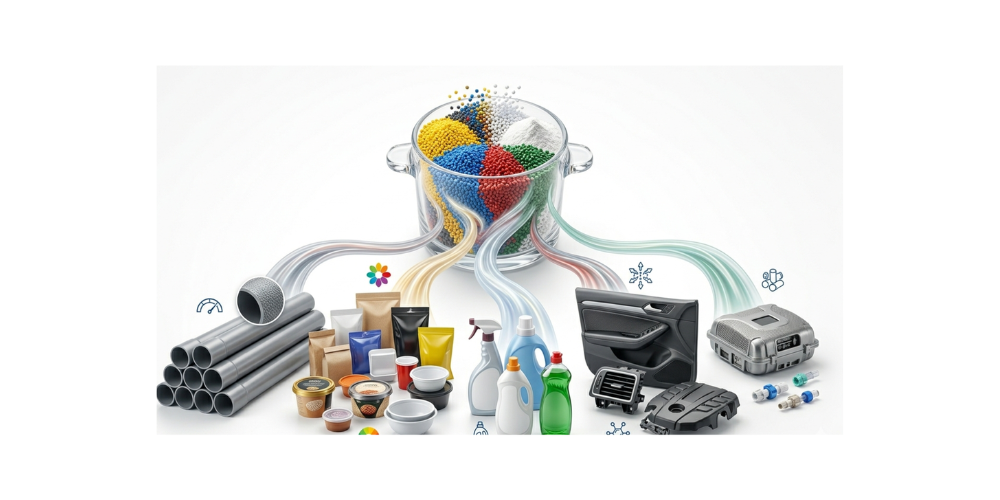
In the modern plastics industry, formulation plays a crucial role in determining not only the color but also directly affecting the performance and quality of the final product. Formulations are adjusted to suit the technical requirements of each specific application.
So why is the formula important?
Filler masterbatch is a concentrated mixture consisting of base resin particles, colorants, and specialized additives. During processing methods such as injection molding, film blowing, or extrusion, masterbatch is mixed with virgin resin to create products with the desired color and properties.
In reality, even with the same color, different formulations result in different product quality. Each formulation is built from unique components and mixing ratios. Differences in formulation directly affect the stability and overall quality of the final products.
Affects the aesthetic appeal of the product..png) The first and most noticeable factor is color and color uniformity. An optimized masterbatch formula will ensure good pigment dispersion within the plastic base, minimizing color bleeding, spotting, or color discrepancies between production batches.
The first and most noticeable factor is color and color uniformity. An optimized masterbatch formula will ensure good pigment dispersion within the plastic base, minimizing color bleeding, spotting, or color discrepancies between production batches.
Especially for industries requiring high aesthetic standards such as packaging, household goods, or electronic components, color consistency plays a crucial role in enhancing product value and brand image.
Impact on technical characteristics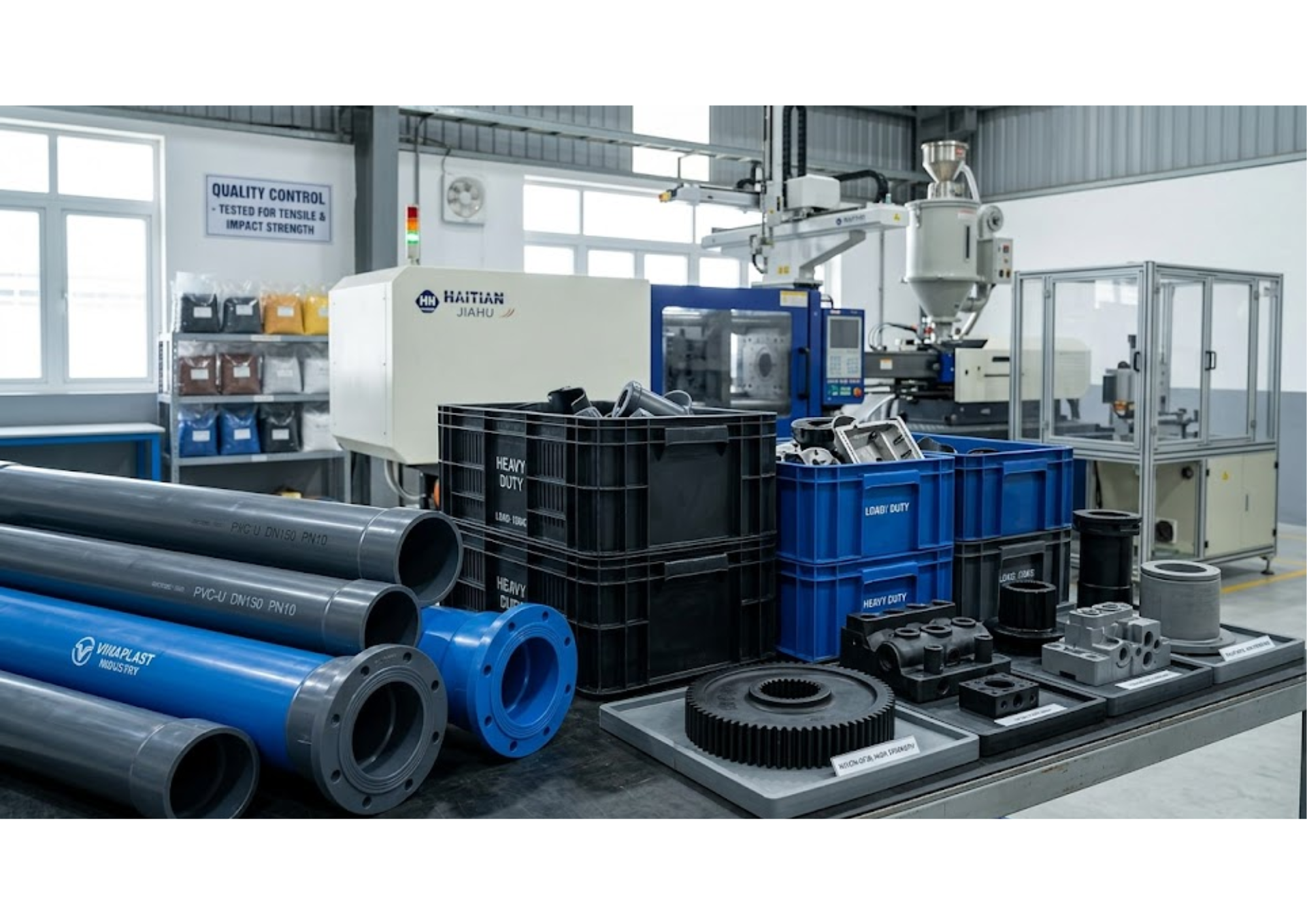 Besides coloring, masterbatch significantly affects the properties of the plastic. Depending on the intended use, manufacturers may add additives to improve product performance, such as:
The role of component compatibility
An effective masterbatch formulation requires ensuring compatibility between the base polymer, pigment, and additives. If the components are chemically incompatible, agglomeration, poor dispersion, or degradation of material properties may occur.
Furthermore, production conditions such as processing temperature, injection molding machine screw design, and mixing system also affect the homogeneity of the masterbatch in the final product.
In short, the masterbatch formulation plays a crucial role in determining the overall quality of plastic products. Not only does it create the desired color, but the masterbatch also contributes to improving technical characteristics such as durability, processability, and product lifespan.
To optimize production efficiency, businesses need to choose a masterbatch formulation suitable for each type of plastic, processing technology, and practical application requirements. Collaborating with reputable suppliers experienced in additives and masterbatch will help ensure stable output quality and increase product value in the market.
A rational combination of base plastic, colorants, and additive systems not only provides high aesthetic appeal but also helps the product meet performance and durability requirements during use.
So why is the formula important?
Filler masterbatch is a concentrated mixture consisting of base resin particles, colorants, and specialized additives. During processing methods such as injection molding, film blowing, or extrusion, masterbatch is mixed with virgin resin to create products with the desired color and properties.
In reality, even with the same color, different formulations result in different product quality. Each formulation is built from unique components and mixing ratios. Differences in formulation directly affect the stability and overall quality of the final products.
Affects the aesthetic appeal of the product.
Especially for industries requiring high aesthetic standards such as packaging, household goods, or electronic components, color consistency plays a crucial role in enhancing product value and brand image.
Impact on technical characteristics
- UV stabilizer Helps increase resistance to aging caused by sun exposure.
- Flame retardant additives It helps to improve the safety of electrical and electronic applications.
- Antistatic agent It reduces dust accumulation and static electricity buildup on the product surface.
The role of component compatibility
An effective masterbatch formulation requires ensuring compatibility between the base polymer, pigment, and additives. If the components are chemically incompatible, agglomeration, poor dispersion, or degradation of material properties may occur.
Furthermore, production conditions such as processing temperature, injection molding machine screw design, and mixing system also affect the homogeneity of the masterbatch in the final product.
In short, the masterbatch formulation plays a crucial role in determining the overall quality of plastic products. Not only does it create the desired color, but the masterbatch also contributes to improving technical characteristics such as durability, processability, and product lifespan.
To optimize production efficiency, businesses need to choose a masterbatch formulation suitable for each type of plastic, processing technology, and practical application requirements. Collaborating with reputable suppliers experienced in additives and masterbatch will help ensure stable output quality and increase product value in the market.
A rational combination of base plastic, colorants, and additive systems not only provides high aesthetic appeal but also helps the product meet performance and durability requirements during use.